20 Easter Food Ideas for a Delicious and Memorable Celebration
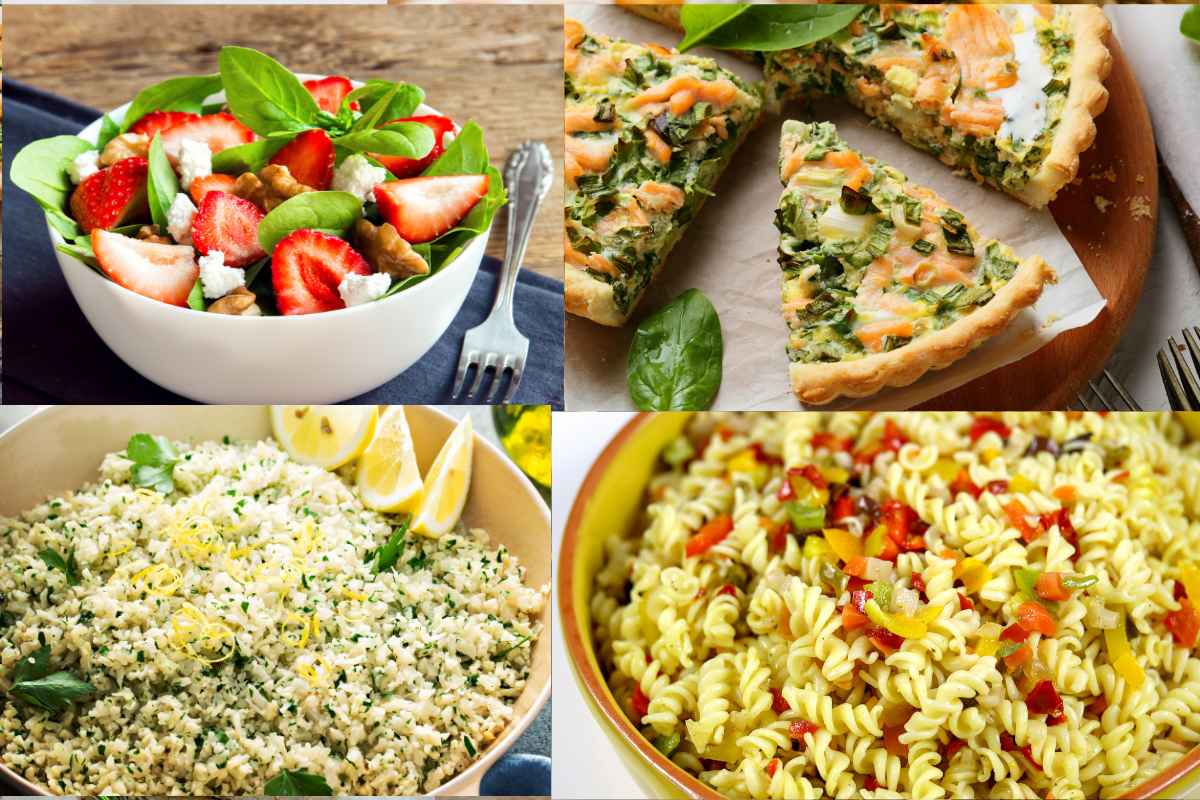
20 Easter food ideas can help you plan a delicious holiday menu, whether you’re hosting Easter brunch, preparing a family dinner, or putting together a table of treats for friends and relatives.
I love how holiday food can make a gathering feel special, especially when there’s a little variety and everyone has something they look forward to eating.
But choosing what to serve isn’t always as easy as it sounds. You might want a filling main dish, a few tasty sides, something fresh, and a dessert that makes the table look beautiful.
At the same time, you probably don’t want to spend the entire holiday in the kitchen.
That’s why I think the best Easter menu combines dishes you can prepare ahead, foods that are easy to serve, and a few special treats that make the celebration feel festive.
You don’t need to cook every dish on this list. Instead, choose a main course, two or three sides, and one or two desserts that work well together. If you’re hosting a casual gathering, you can focus on finger foods and easy-to-share dishes instead.
Below, you’ll find 20 Easter food ideas covering savory favorites, fresh sides, brunch options, and sweet treats. Each one includes practical suggestions to help you decide what to serve and how to make it work for your celebration.
1. Honey-Glazed Roast Chicken

A beautifully roasted chicken can be the centerpiece of an Easter meal.
The combination of honey, garlic, herbs, and a little lemon gives the chicken a flavorful finish. As it roasts, the glaze develops a lovely golden color that looks inviting when you bring the dish to the table.
To prepare it, season the chicken with salt, pepper, garlic, herbs, and a little oil. Roast it according to its weight and your recipe, brushing on a suitable honey glaze toward the end of cooking so the sugars don’t burn.
Serve the chicken with roasted potatoes, rice, or vegetables. You can also prepare a simple pan sauce to spoon over the meat.
If you’re cooking for guests who prefer less sweetness, use only a small amount of honey and let the garlic, herbs, and lemon provide most of the flavor. Let the chicken rest before carving so the juices have time to settle.
2. Garlic Butter Shrimp
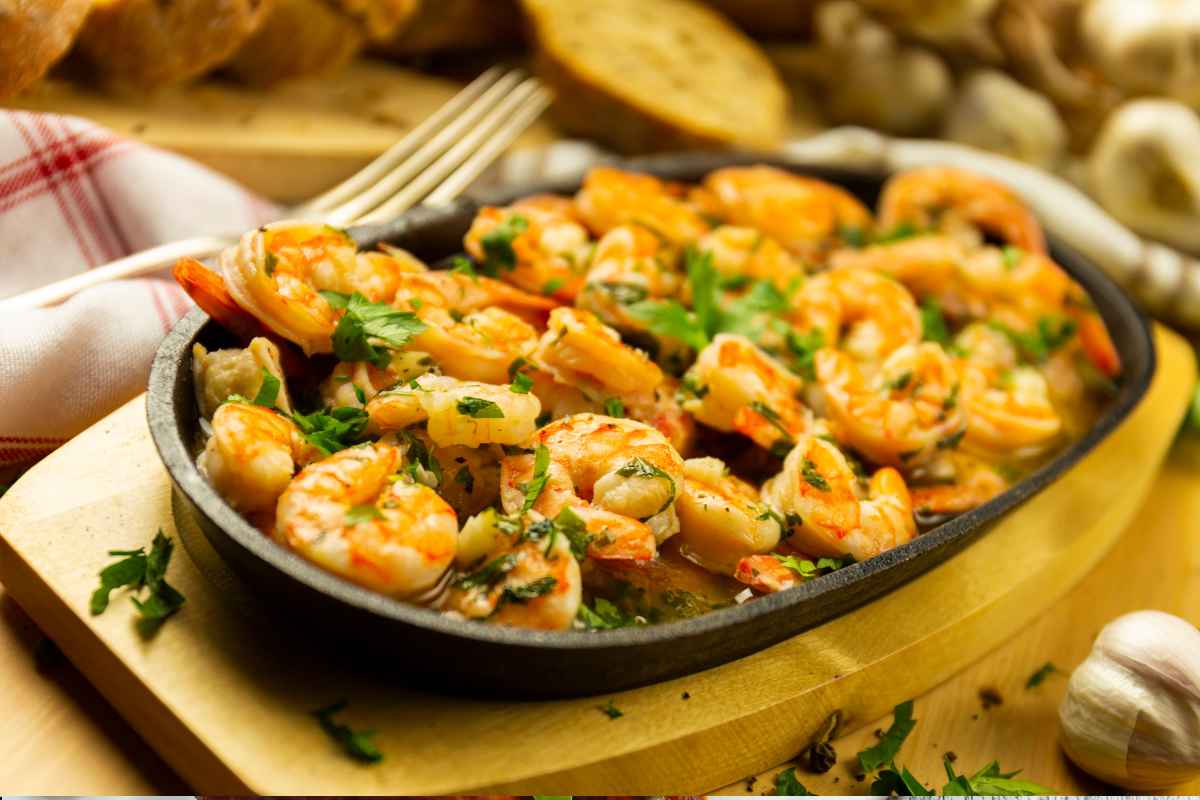
Garlic butter shrimp is a flavorful option if you want something that cooks quickly and can be served as a starter or alongside a larger Easter meal.
The combination of garlic, butter, lemon, and parsley gives the shrimp a rich, fresh flavor without requiring a long list of ingredients.
To make it, melt butter in a pan, add minced garlic, and cook briefly until fragrant.
Add peeled shrimp and cook until they turn pink and opaque. Finish with lemon juice, black pepper, and chopped parsley.
Serve the shrimp with toasted bread, lemon rice, or a fresh salad. You can also arrange them on a platter with lemon wedges for guests to share.
The key is not to leave the shrimp cooking for too long, as they can quickly become rubbery. If you’re preparing a larger batch, cook them in portions so the pan doesn’t become overcrowded.
Because shrimp is a common allergen, make sure your guests know what the dish contains and provide another option for anyone who cannot eat shellfish.
3. Creamy Baked Macaroni and Cheese
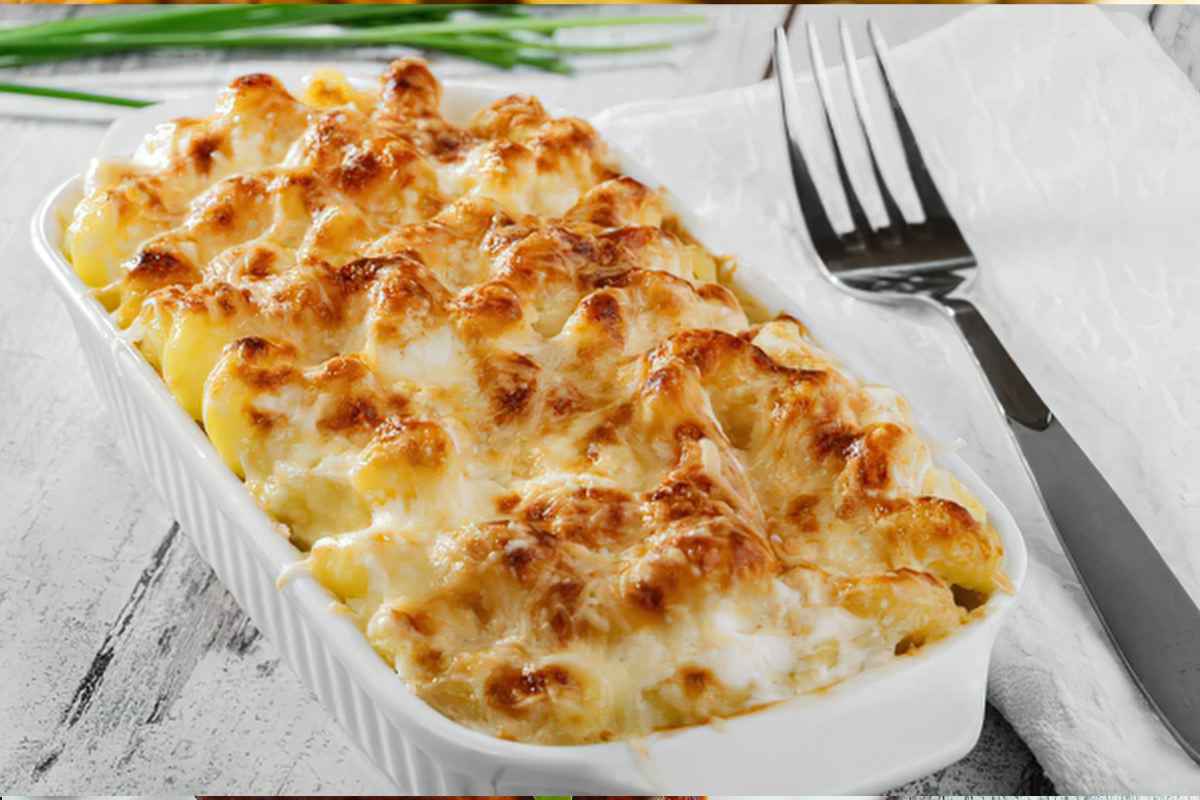
If you’re serving a family with different food preferences, baked macaroni and cheese can be a comforting addition to the Easter menu.
The dish combines cooked pasta with a cheese sauce, then goes into the oven until the top is golden and the sauce is bubbling around the edges.
For a flavorful sauce, use a combination of cheeses that melt well. Cheddar provides a familiar cheesy taste, while mozzarella can contribute a softer, stretchy texture.
A little mustard powder or paprika can add depth without overpowering the dish.
You can prepare the pasta and sauce in advance, transfer everything to a baking dish, and refrigerate it until you’re ready to finish cooking. Allow for the extra baking time if the dish is cold.
Serve macaroni and cheese alongside roast chicken or vegetables, or include it in a buffet-style meal.
Avoid overcooking the pasta before baking. It will continue to soften in the oven, so cooking it just until tender but still slightly firm helps prevent a mushy result.
4. Honey-Roasted Carrots
Carrots make a colorful side dish, and roasting brings out their natural sweetness.
For Easter, you can roast them with a little oil or butter, honey, salt, and black pepper. Add thyme or parsley if you want a more savory finish.
Cut the carrots into similar-sized pieces so they cook evenly.
Spread them out on a baking tray instead of piling them on top of one another. This gives them a better chance of browning rather than steaming.
Roast until the carrots are tender and lightly caramelized at the edges.
This side dish works well with chicken, rice, potatoes, or other savory foods. It also adds a bright orange color to the table, which can make a holiday meal look more varied.
If you’re cooking for guests who prefer less sweetness, use just a little honey or leave it out altogether. The natural sweetness of roasted carrots works beautifully with garlic, herbs, and black pepper.
5. Fresh Strawberry and Spinach Salad
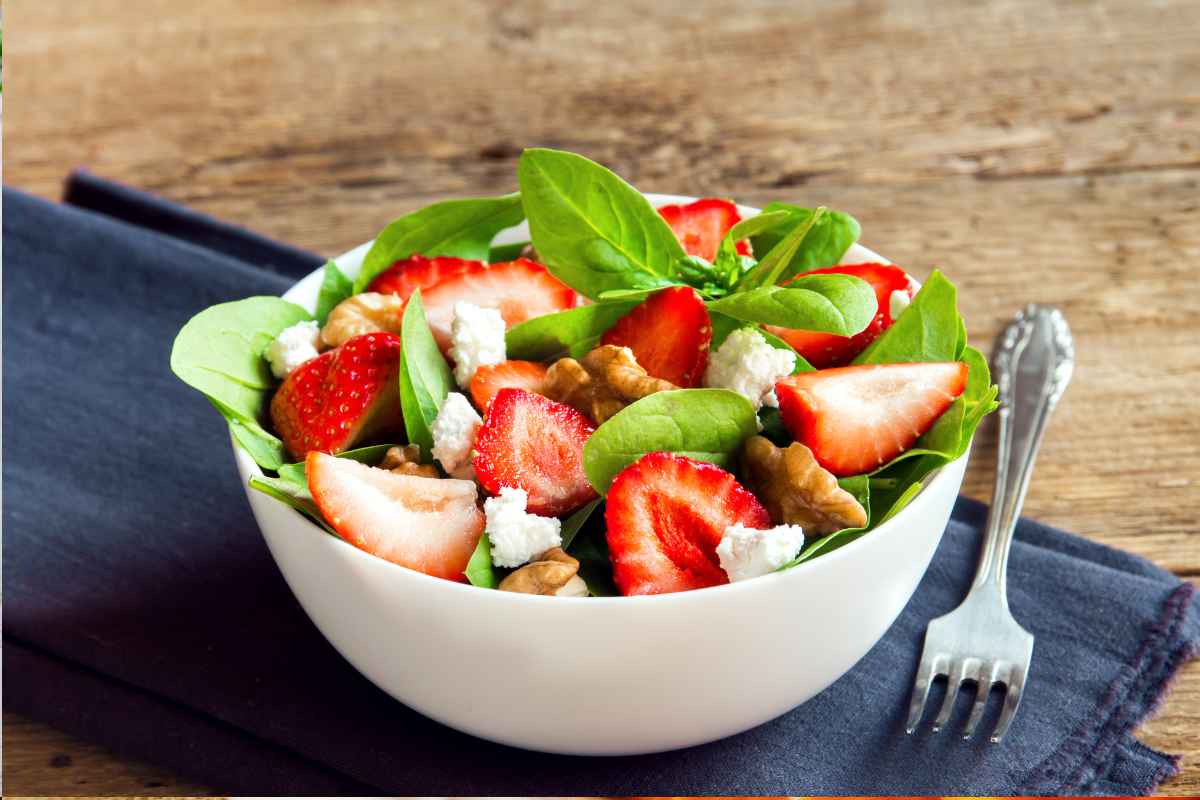
A fresh salad can balance a holiday menu filled with richer foods.
For this one, combine baby spinach, sliced strawberries, cucumber, and a little crumbled cheese if it suits your guests’ preferences. You can add nuts or seeds for crunch, provided there are no relevant allergies.
A simple dressing made with olive oil, lemon juice, a little honey, and seasoning works well with the sweet strawberries.
The colors make this salad particularly attractive on an Easter table. The green leaves and red fruit provide a fresh contrast to golden roasted foods and creamy side dishes.
You can also serve the salad as a lighter option for guests who don’t want a large meal.
Wash and dry the leaves thoroughly, then refrigerate them until you’re ready to assemble the salad. Add the dressing just before serving to help the leaves stay crisp. If strawberries aren’t available, sliced apples, pears, or oranges can provide a different fruit flavor.
6. Cheesy Potato Gratin
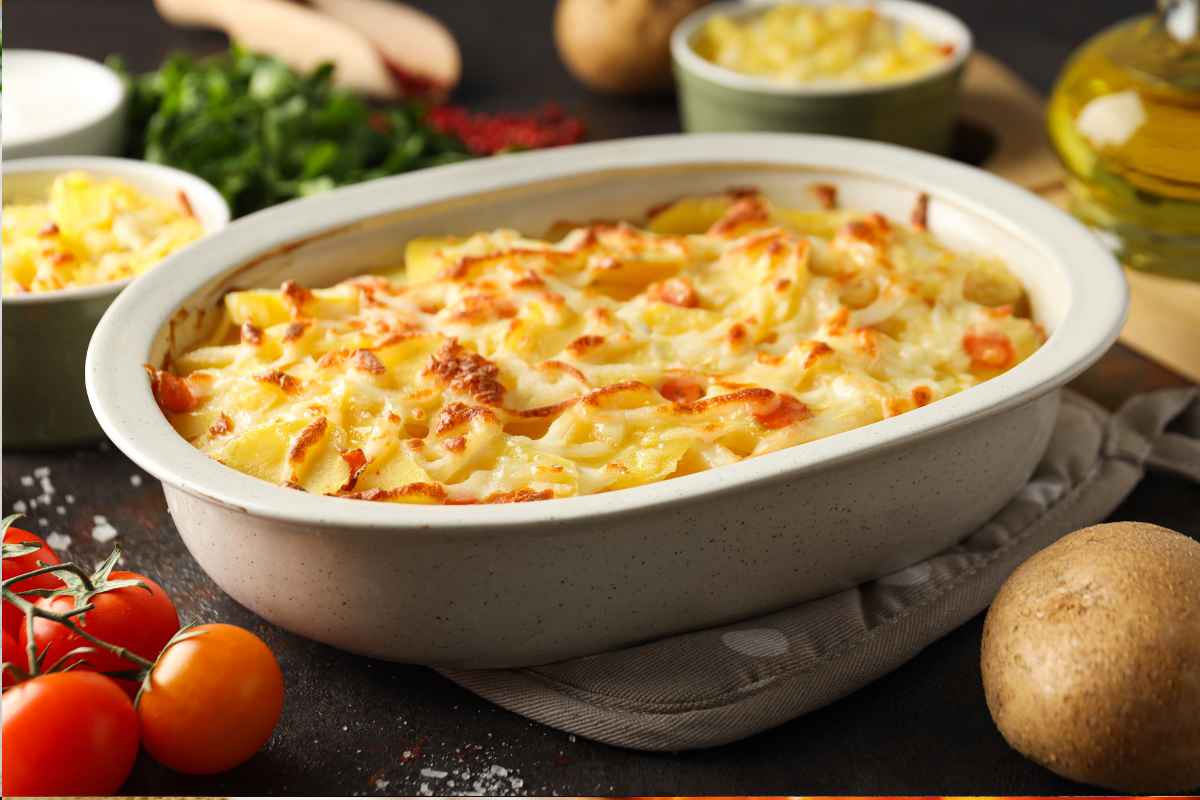
Potato gratin is a comforting side dish made with thinly sliced potatoes baked in a creamy sauce until tender, with a golden top.
It works especially well for Easter dinner because you can prepare it in a baking dish and serve it alongside roast chicken or other main dishes.
Slice the potatoes evenly so they cook at a similar rate. Arrange them in layers, pour over a seasoned cream or milk-based sauce, and add cheese if you like a richer finish.
Bake until the potatoes are tender all the way through and the top is lightly browned.
The result is creamy inside, with a deliciously golden surface.
Don’t cut the potatoes too thick. Thick slices take longer to cook and can remain firm in the center while the top is already browned.
If you need to prepare the dish ahead, assemble it in advance and refrigerate it safely. Plan enough time to bake it thoroughly before serving.
7. Mini Chicken and Vegetable Pies
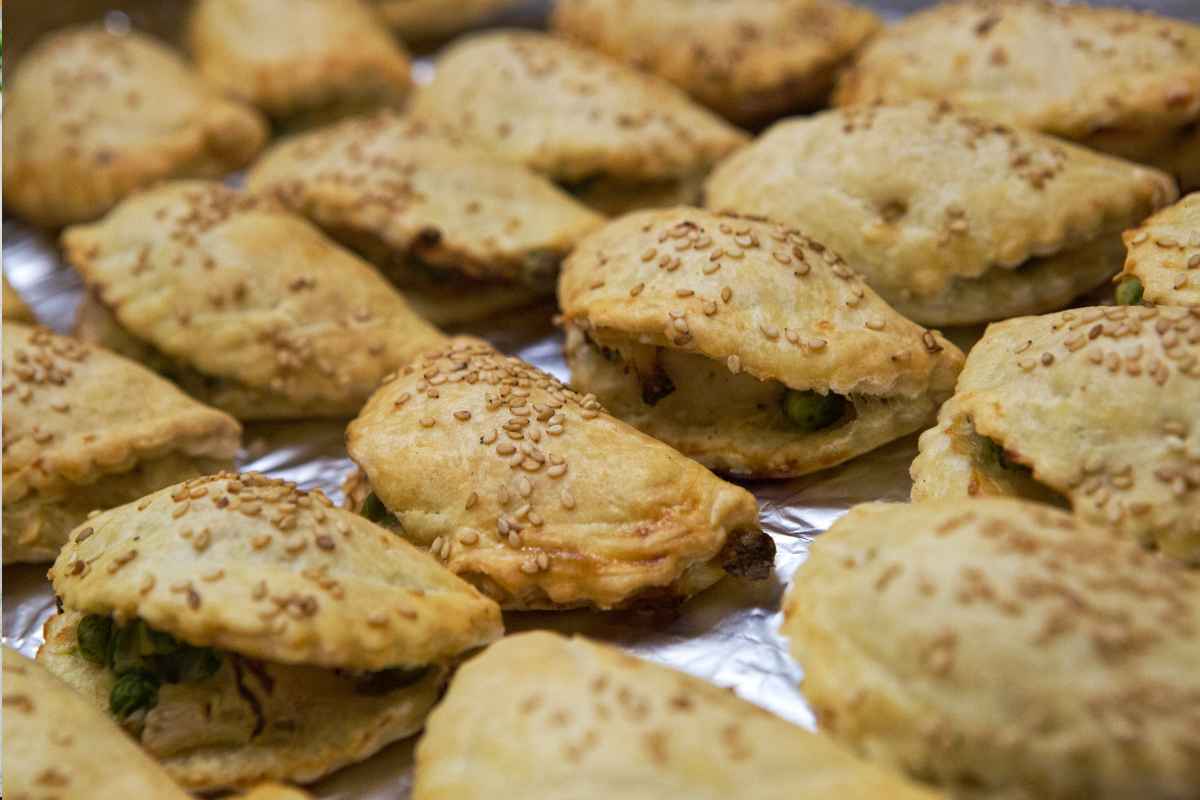
Mini chicken pies are a useful option when you want a savory food that guests can pick up and eat without needing a full dinner plate.
Make a filling with cooked chicken, diced carrots, peas, onions, and a creamy sauce. Season it with herbs, black pepper, and a little salt.
Place the filling inside small pastry cases or wrap it in pastry before baking until golden.
You can make the pies in advance and warm them before serving, which is helpful if you’re hosting a party and don’t want to cook everything at the last minute.
They work well on a brunch table, at a family gathering, or as part of a buffet with salads and other finger foods.
Let the filling cool before putting it into the pastry. A very hot filling can soften the pastry before it goes into the oven.
Make sure the chicken is fully cooked and the finished pies are heated thoroughly before serving.
8. Lemon Herb Rice
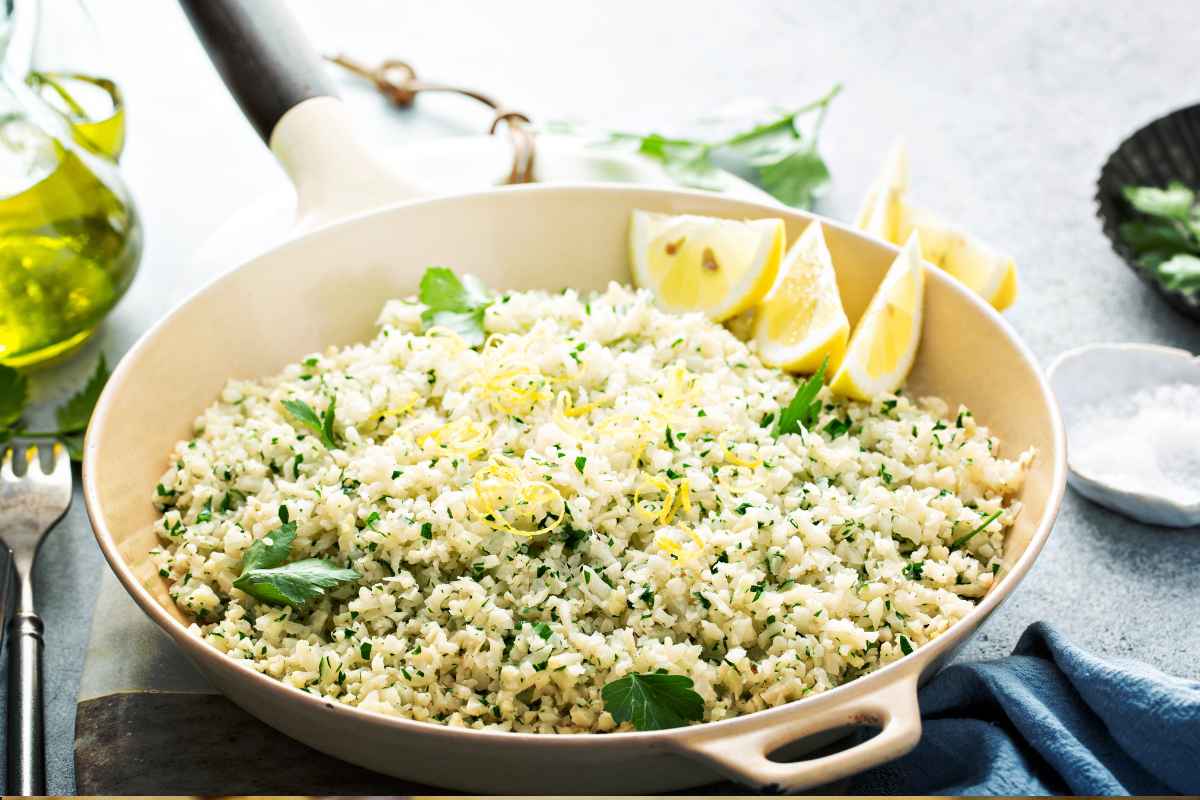
Rice is a practical choice for an Easter meal, especially if your family prefers a filling side dish that pairs with several main courses.
Lemon herb rice adds a little brightness without requiring many ingredients.
Cook the rice until tender, then gently mix in a little butter or oil, lemon zest, lemon juice, and chopped herbs such as parsley. You can add spring onions if you enjoy their flavor.
The lemon gives the rice a fresh taste, while the herbs make it look more colorful than plain rice.
Serve it with roast chicken, baked fish, vegetables, or a sauce of your choice.
Use lemon zest carefully and taste as you go. Too much juice can make the rice overly sour or wet.
Cook the rice close to serving time where possible. If you prepare it ahead, cool and refrigerate it promptly, then reheat it thoroughly.
9. Baked Fish With Lemon and Herbs
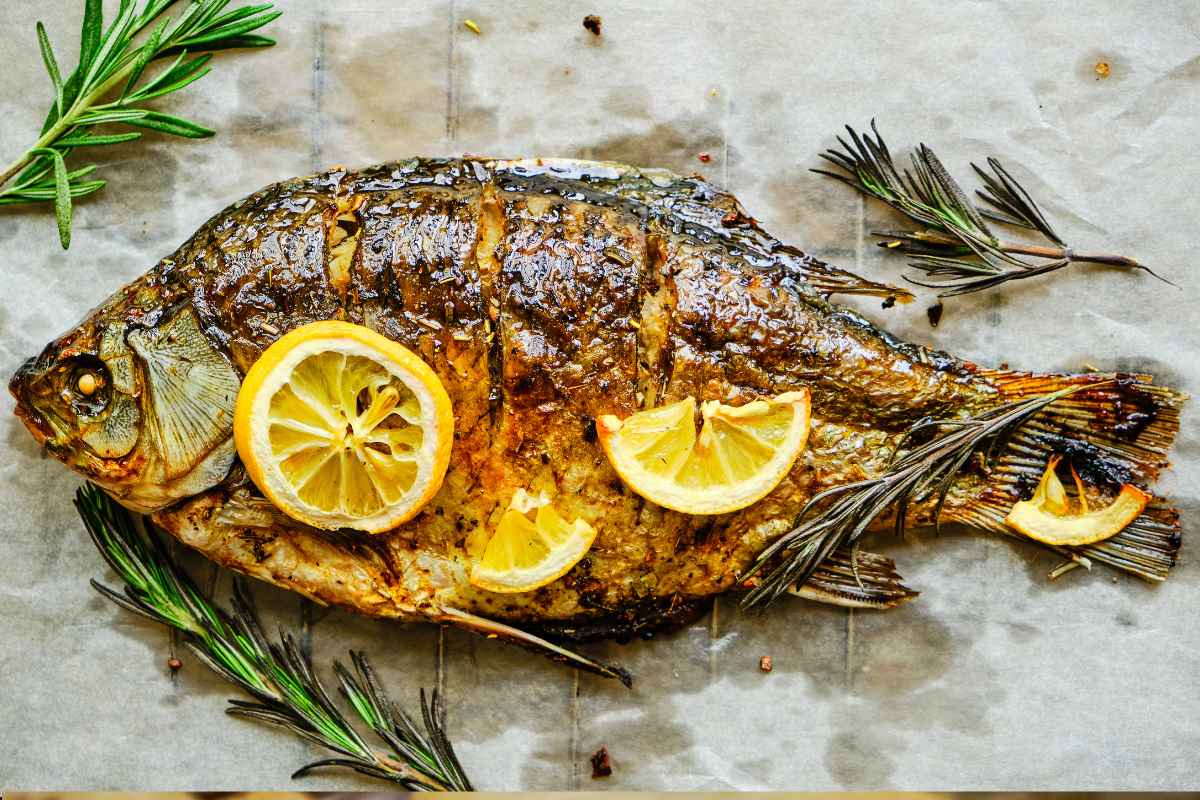
Baked fish is a good alternative when you want a lighter main course for Easter.
Choose a fish that is suitable for baking, then season it with lemon, garlic, herbs, a little oil, and black pepper.
Place it in a baking dish and cook until the flesh is opaque and separates easily with a fork. The exact cooking time depends on the type and thickness of the fish.
You can serve it with lemon rice, roasted potatoes, steamed vegetables, or a fresh salad.
This dish is particularly useful if you’re planning a menu with more than one main option. Guests who prefer fish can enjoy it while others choose chicken or another dish.
Don’t overcook the fish, as it can become dry and also be mindful of fish bones and any allergies when serving a group.
10. Creamy Chicken Pasta
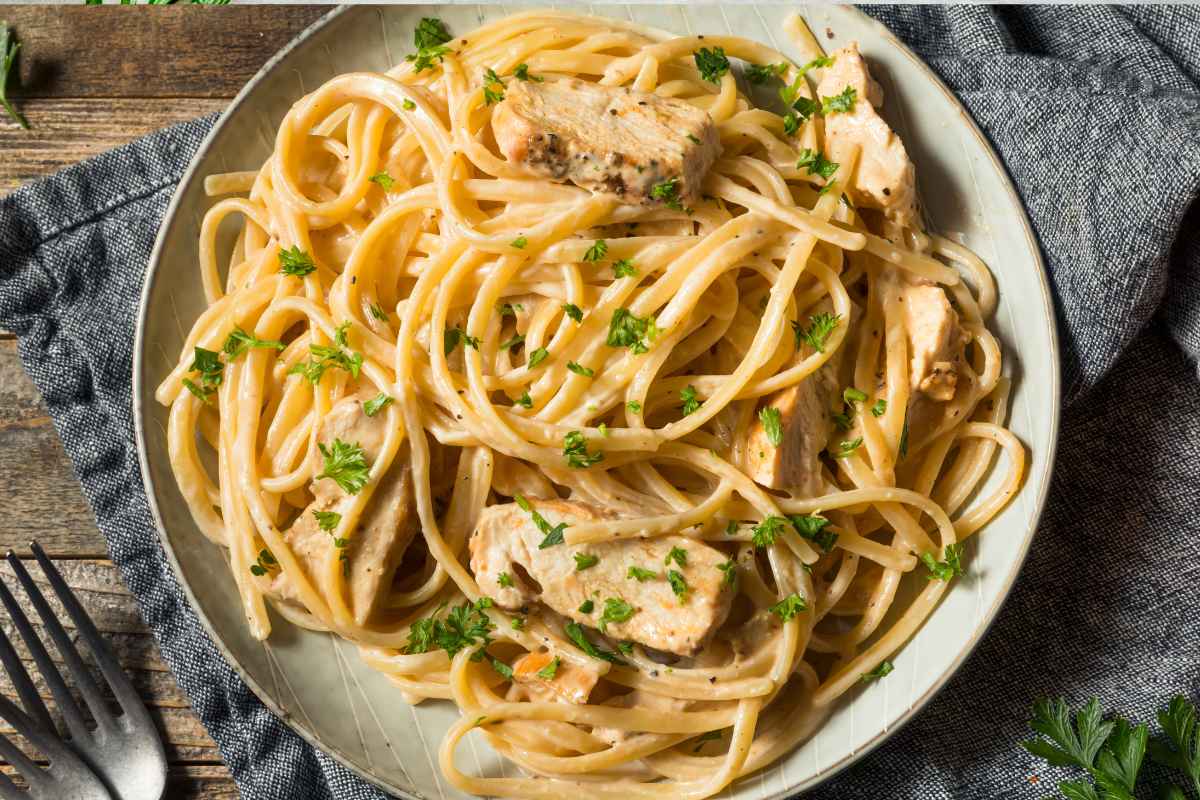
Creamy chicken pasta can turn a simple Easter lunch into a satisfying meal without requiring several separate dishes.
Cook your preferred pasta, then prepare a sauce with garlic, a little cream or milk, seasoning, and cheese if desired. Add cooked chicken and vegetables such as spinach or mushrooms.
Toss everything together until the pasta is coated in the sauce.
You can make the dish more colorful by adding peas, sweetcorn, or chopped bell peppers. Just avoid adding so many ingredients that the sauce becomes crowded.
This is a useful option when you want a one-dish meal, particularly for a smaller family gathering.
Reserve a little pasta cooking water before draining. Adding a small amount to the sauce can help it coat the pasta more smoothly.
Creamy pasta is best served soon after preparation. If you’re cooking ahead, store it safely in the refrigerator and reheat it thoroughly, adding a little milk if the sauce has thickened.
11. Fluffy Dinner Rolls With Herb Butter
Fresh dinner rolls can make a holiday meal feel more complete, particularly when you’re serving chicken, fish, or a dish with sauce.
You can bake the rolls yourself or buy ready-made ones to save time.
For an easy herb butter, soften butter and mix it with finely chopped parsley, a little garlic, and a pinch of salt. Spread it over warm rolls just before serving.
Arrange the rolls in a basket lined with a clean napkin and place them near the main dishes.
If you’re baking from scratch, you can prepare the dough ahead of time according to your recipe, allowing for the necessary rising and baking periods.
Don’t leave homemade rolls uncovered for too long, or they may dry out. Keep them covered until serving and warm them gently if needed.
These rolls are versatile enough to work with both a formal family dinner and a relaxed buffet-style gathering.
12. Roasted Sweet Potatoes With Garlic and Herbs
Sweet potatoes bring a naturally sweet flavor and a vibrant color to the Easter table.
For a savory version, cut them into evenly sized cubes or wedges, then toss them with oil, garlic, black pepper, and herbs such as rosemary or thyme.
Spread the pieces out on a baking tray and roast until tender inside and lightly browned outside.
If you prefer a slightly sweeter flavor, add a small drizzle of honey after roasting rather than using too much at the beginning.
Serve the sweet potatoes with chicken, fish, rice, or a fresh salad.
Give the pieces enough room on the tray. Crowding them can cause them to steam instead of develop browned edges.
You can cut the potatoes ahead and store them safely until you’re ready to cook. Roasting them closer to mealtime helps preserve their texture.
13. Spinach and Cheese Quiche
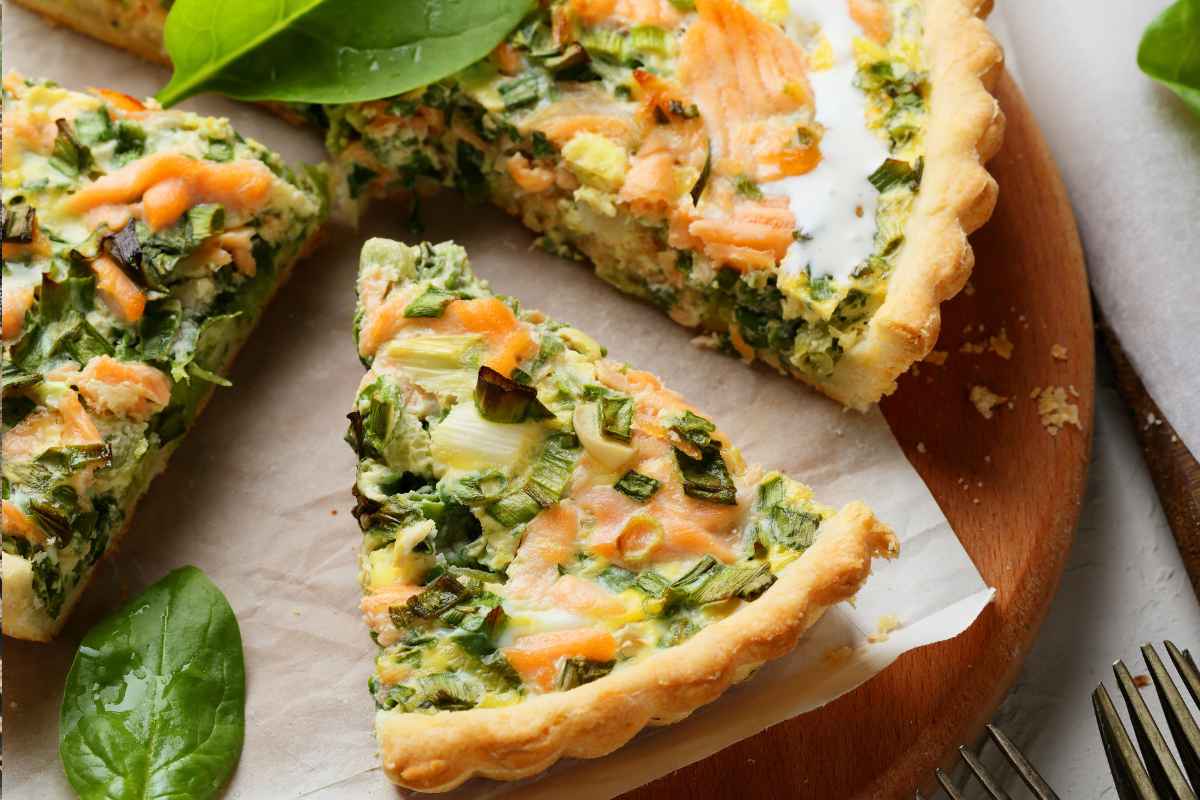
Quiche is a savory baked dish made with a pastry crust and an egg-based filling. It’s especially suitable for Easter brunch because it can be served warm or at room temperature for a short period.
For a spinach and cheese version, combine eggs, milk or cream, cooked spinach, and grated cheese. Pour the filling into a prepared pastry shell and bake until the center is set.
You can add mushrooms or onions for extra flavor, but keep the filling balanced so the quiche doesn’t become too wet.
Serve slices with a fresh salad or fruit for brunch.
One thing I like about quiche is that it can be prepared ahead, which gives you more time to arrange the table and welcome guests.
Cook excess moisture out of the spinach before adding it to the filling. Otherwise, it can make the quiche watery.
14. Crispy Oven-Baked Chicken Wings
Chicken wings are a good option for a casual Easter gathering, especially when guests prefer foods they can eat with their hands.
Season the wings with garlic, paprika, black pepper, and a little oil. Arrange them on a baking tray and cook until the skin is browned and the meat is fully cooked.
You can serve them with a mild honey-garlic sauce, a lemon-herb dip, or another family-friendly sauce.
If you’re serving a group, prepare enough space for the wings to cook evenly rather than stacking them in a deep dish.
Place the finished wings on a platter with fresh vegetables or a simple salad.
For easier party preparation, mix the seasoning ahead of time and refrigerate the wings until you’re ready to cook them.
15. Colorful Roasted Vegetable Medley
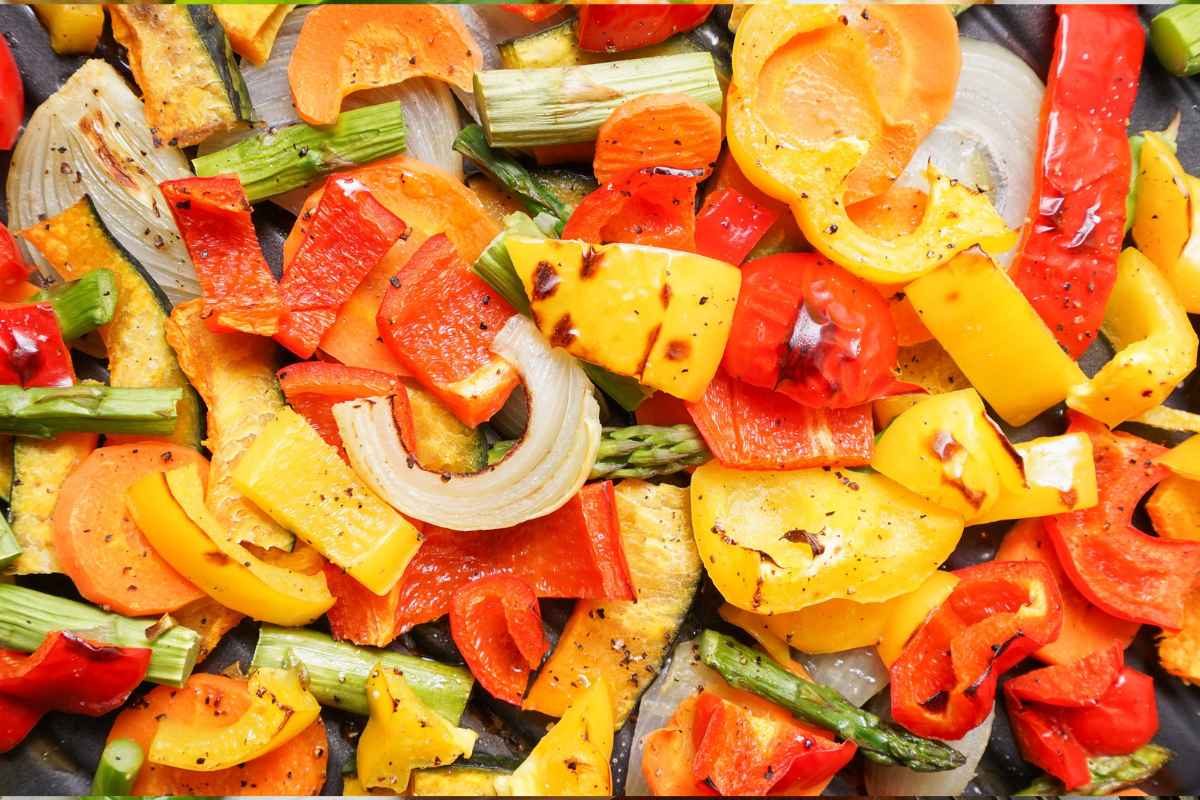
A tray of roasted vegetables can bring color, texture, and variety to an Easter meal.
Choose vegetables that roast well together, such as bell peppers, zucchini, red onions, carrots, and broccoli. Cut them into similar-sized pieces where possible.
Toss them with oil, salt, pepper, and herbs, then roast until tender with lightly browned edges.
You can finish the vegetables with lemon juice or fresh herbs before serving.
This dish is particularly helpful when your menu includes a rich main course because the vegetables provide a fresher contrast.
Different vegetables cook at different speeds. If you’re using harder vegetables such as carrots alongside softer vegetables, cut the harder ones smaller or add the softer ones later.
You can also roast separate trays if you want each vegetable to keep its own texture.
16. Mini Fruit Tarts
Mini fruit tarts are a lovely dessert when you want something colorful without serving another heavy cake.
Each tart has a crisp pastry shell filled with custard or a suitable cream filling, then topped with fresh fruit.
You can use strawberries, kiwi, blueberries, oranges, or other fruits that are available and in season.
Arrange the fruit in small patterns to give the tarts a polished appearance. You don’t have to make every tart identical; a mixture of colors can look just as attractive.
These desserts are useful for brunches and parties because each guest can take an individual portion.
Prepare the pastry shells ahead, but fill and top them closer to serving time if you want them to stay crisp.
Because the filling is perishable, keep the tarts refrigerated until needed. If you’re short on time, ready-made tart shells can make the preparation easier.
17. Carrot Cake With Cream Cheese Frosting
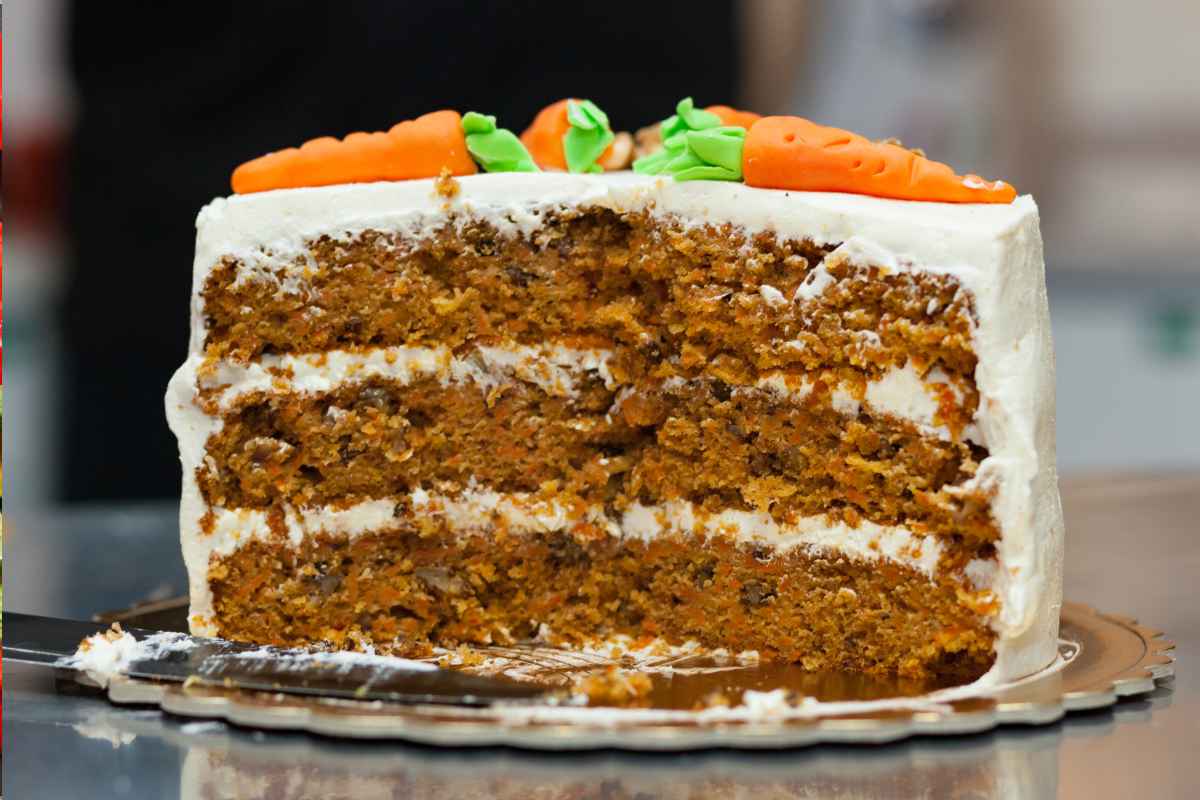
Carrot cake is a classic choice for Easter because its warm spices and soft texture make it a comforting dessert.
A typical carrot cake combines grated carrots, flour, eggs, oil, sugar, and spices such as cinnamon. Some recipes include nuts or raisins, although you can leave these out if you prefer.
Once the cake has cooled completely, spread cream cheese frosting over the top.
For a simple Easter finish, decorate it with small frosting carrots, a few edible flowers, or a light dusting of cinnamon.
You can make a single-layer cake for a smaller gathering or a larger cake if you’re expecting more guests.
Grate the carrots finely enough that they blend into the cake, but avoid squeezing out all their moisture. That moisture helps keep the crumb soft.
Bake the cake ahead if you want to spread out the work. Refrigerate it if your frosting or recipe requires it, and bring it out shortly before serving.
18. Chocolate Easter Nest Treats
Chocolate Easter nest treats are a festive dessert that can be made in individual portions.
A common version uses melted chocolate mixed with a crunchy ingredient such as cereal. The mixture is spooned into small paper cases or onto a lined tray, then shaped into little nests.
Once the chocolate has set, add a few small candy eggs or another suitable decoration to the center.
These treats are especially useful when you’re creating a dessert table because they can be arranged neatly on a platter.
They also work well for a children’s Easter party, although you should consider choking risks and choose decorations suitable for the ages attending.
Melt chocolate gently and avoid getting water into it, as this can affect its texture.
Allow the nests to set fully before moving them to a serving plate. If your kitchen is warm, store them in a cool place so the chocolate doesn’t soften.
19. Lemon Drizzle Cake
If you want a dessert that tastes fresh rather than very rich, lemon drizzle cake is a lovely option.
The cake has a soft crumb with a bright lemon flavor, often finished with a thin lemon syrup or glaze.
Serve it in slices alongside tea, juice, or another non-alcoholic drink. It can work just as well for Easter brunch as it does for an afternoon family gathering.
You can decorate the cake with a little lemon zest or a few thin lemon slices placed beside it on the serving platter.
One advantage of this cake is that it can be baked ahead, so you don’t need to prepare dessert while the rest of the meal is being served.
Add lemon juice to the glaze gradually so it doesn’t become too thin. You want it to coat the cake rather than run off completely.
Let the cake cool before glazing it, and allow the glaze to set before slicing for a neater presentation.
20. Strawberry Cheesecake Cups
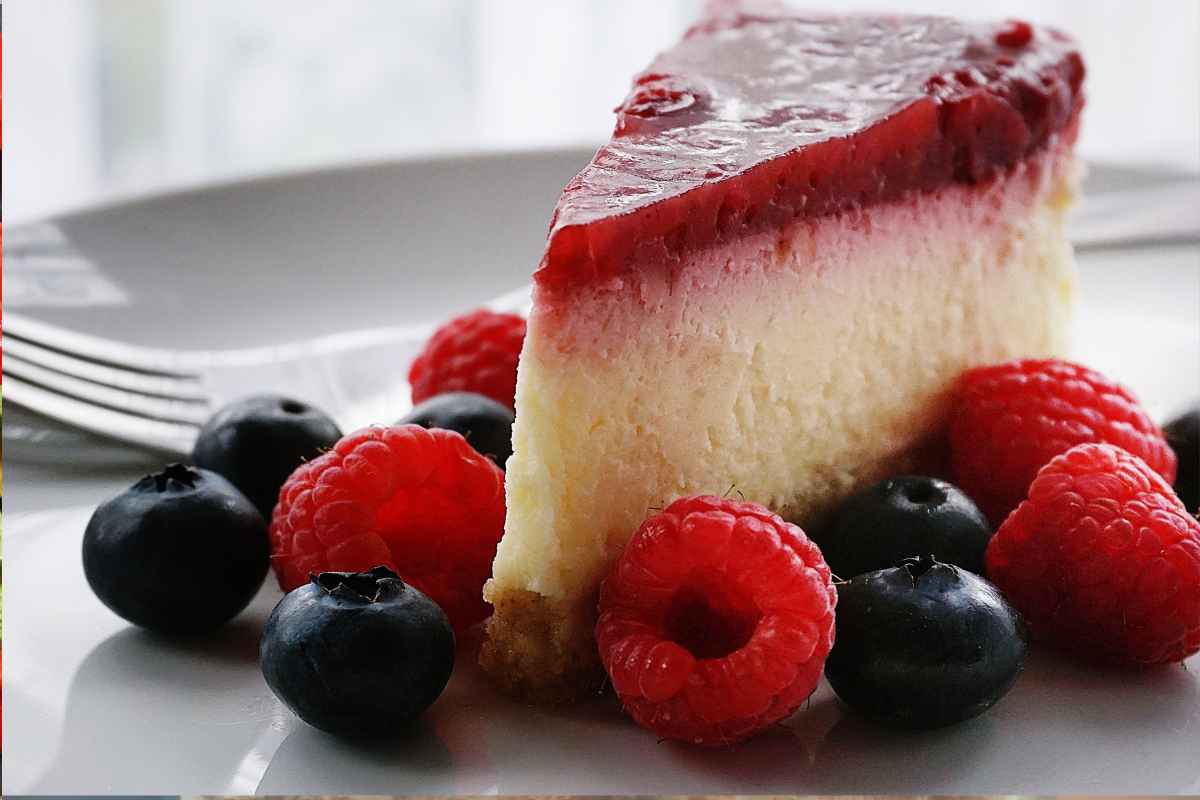
Individual strawberry cheesecake cupcake are a pretty way to finish an Easter meal.
Each serving can contain a layer of crushed biscuits, a creamy cheesecake mixture, and fresh strawberries or strawberry sauce.
You can assemble them in small glasses or dessert cups, making them easy to serve without slicing a large cake.
The biscuit layer provides a little crunch, while the creamy filling and fruit create a balanced dessert.
For a festive look, add a strawberry slice or a small amount of fruit on top just before serving.
Prepare the cups ahead and keep them refrigerated. Add the final fruit decoration closer to serving time so it looks fresh.
If you’re serving a large group, use cups of the same size to make portioning easier and help the dessert table look coordinated.
How to Build a Balanced Easter Menu
With so many Easter food ideas available, it’s easy to feel that you need to serve a little bit of everything. Trust me, You really don’t.
A balanced menu is often easier to prepare and more enjoyable for guests because each dish has a purpose.
Start by choosing your main course. For example, you might choose roast chicken or baked fish.
Next, add two or three sides that complement the main dish. Rice, potatoes, vegetables, and salad are all useful options.
Then decide whether you need a starter or a few snacks. Garlic butter shrimp, mini chicken pies, or a small selection of finger foods can work well.
Finally, choose one or two desserts. You might serve carrot cake and fruit tarts, or keep things simple with lemon drizzle cake and chocolate nest treats.
The goal is to create a menu with variety without preparing more food than your guests can reasonably enjoy.
Prepare What You Can Ahead of Time
One of the easiest ways to make Easter cooking more manageable is to divide the work over a few days.
You can make a shopping list, check your ingredients, and decide which dishes can be prepared ahead.
For example, cakes can often be baked in advance, while vegetables can be washed and cut before cooking. Some fillings and sauces can also be prepared ahead, provided they are stored safely.
On the day itself, focus on dishes that need to be served fresh or hot.
Make a simple timetable for the oven and stovetop so you’re not trying to cook several dishes at the same temperature at the same time.
And remember, buying a few ready-made items is perfectly fine. Your Easter celebration doesn’t need to depend on making every dish from scratch.
Make the Food Table Look Inviting
Presentation can make a meal feel special without requiring expensive serving pieces.
Use clean platters, bowls, and serving spoons. Arrange foods so that guests can see what is available and serve themselves comfortably.
Place the main dish where it is easy to reach, then group the side dishes nearby. Keep desserts on a separate table if you have enough space.
A few flowers, a simple table runner, or matching napkins can bring the whole setup together.
If you’re hosting a buffet, label dishes when helpful, especially if guests need to know about allergens or dietary ingredients.
For more inspiration on organizing the overall celebration, you can also explore my 21 Easter Party Ideas for a Fun and Beautiful Celebration. It offers complementary ideas for decorations, activities, and ways to bring your Easter gathering together.
Frequently Asked Questions
What are easy Easter food ideas for a family gathering?
Easy options include roasted vegetables, lemon herb rice, macaroni and cheese, dinner rolls, mini chicken pies, garlic butter shrimp, and desserts that can be prepared ahead.
What desserts are good for Easter?
Carrot cake, lemon drizzle cake, mini fruit tarts, chocolate Easter nests, and strawberry cheesecake cups are all suitable options. Choose desserts that fit your menu and can be stored safely before serving.
How much food should I prepare for Easter?
Plan according to the number of guests, the length of the gathering, and whether you’re serving a full meal or snacks. For a main meal, choose one main dish, a few sides, and one or two desserts rather than preparing every item on a long list.
Can I prepare Easter food the day before?
Yes, many dishes can be prepared in advance, including cakes, some fillings, chopped vegetables, and certain casseroles. Store perishable foods in the refrigerator and follow safe cooling and reheating practices.
How can I make an Easter food table look beautiful?
Use a coordinated color scheme, arrange dishes on clean serving platters, add a few flowers or seasonal decorations, and leave enough space for guests to serve themselves. A tidy, well-organized table often looks better than one crowded with too many dishes.
Final Thoughts
Easter food doesn’t have to be difficult to plan. A thoughtful selection of savory dishes, fresh sides, and a few delicious desserts can create a meal that feels special without keeping you busy all day.
Choose foods that suit your guests, prepare what you can ahead of time, and don’t feel pressured to make everything on this list.
Whether you’re planning a full family dinner, a relaxed brunch, or a party table filled with small bites and treats, these 20 Easter food ideas can help you put together a menu that feels festive and enjoyable.
Most importantly, leave yourself enough time to sit down, enjoy the food, and spend time with the people who came to celebrate with you.