
20 Easter Brunch Ideas for a Celebration Everyone Will Remember

20 Easter brunch ideas can help you turn an ordinary Easter morning into a lovely gathering filled with good food, happy conversations, and the people you enjoy spending time with.
Whether you are hosting your family at home, inviting a few friends over, or planning a larger holiday get-together, brunch gives everyone a chance to enjoy a relaxed meal without making the day feel too formal.
One thing I love about planning a holiday meal is that it does not have to be extravagant to feel special. Sometimes, a well-arranged table, a few delicious dishes, fresh flowers, and enough time to sit and talk are all you need.
You can prepare some things the night before, cook a few favorites in the morning, and let everyone serve themselves when they are ready.
The best part is that Easter brunch does not have to mean serving the same breakfast foods you make every weekend. You can mix savory dishes with fresh fruit, warm breads, satisfying egg recipes, and refreshing drinks to create a spread that feels thoughtful without leaving you exhausted in the kitchen.
If you are still putting your holiday menu together, these ideas will help you decide what to serve, how to arrange the food, and how to make your gathering feel welcoming. And if you want something sweet to finish the meal, you can also check out my 21 Mouthwatering Easter Desserts for a Beautiful Celebration for more inspiration.
1. Prepare a Baked French Toast Casserole

A baked French toast casserole is a lovely choice when you want to serve something warm and comforting without standing beside the stove making individual portions.
Instead of dipping and frying slice after slice of bread, you arrange the pieces in a baking dish, pour over a simple egg-and-milk mixture, and let the oven do most of the work.
Use thick slices of bread that can absorb the mixture without falling apart. Cinnamon and vanilla add a familiar breakfast flavor, while a light dusting of icing sugar makes the finished dish look inviting. You can serve it with maple syrup, fresh berries, or a bowl of sliced fruit on the side.
The real advantage is that you can assemble the casserole the night before and refrigerate it. In the morning, allow it to sit briefly while the oven heats, then bake according to your recipe. Keep an eye on the center so it cooks through without the top becoming too dark.
For a family brunch, place the baking dish on the table with a serving spoon and let everyone help themselves. It is especially useful when guests are arriving at slightly different times because you can keep the casserole warm for a short period while the rest of the food is arranged.
2. Serve a Colorful Vegetable Quiche
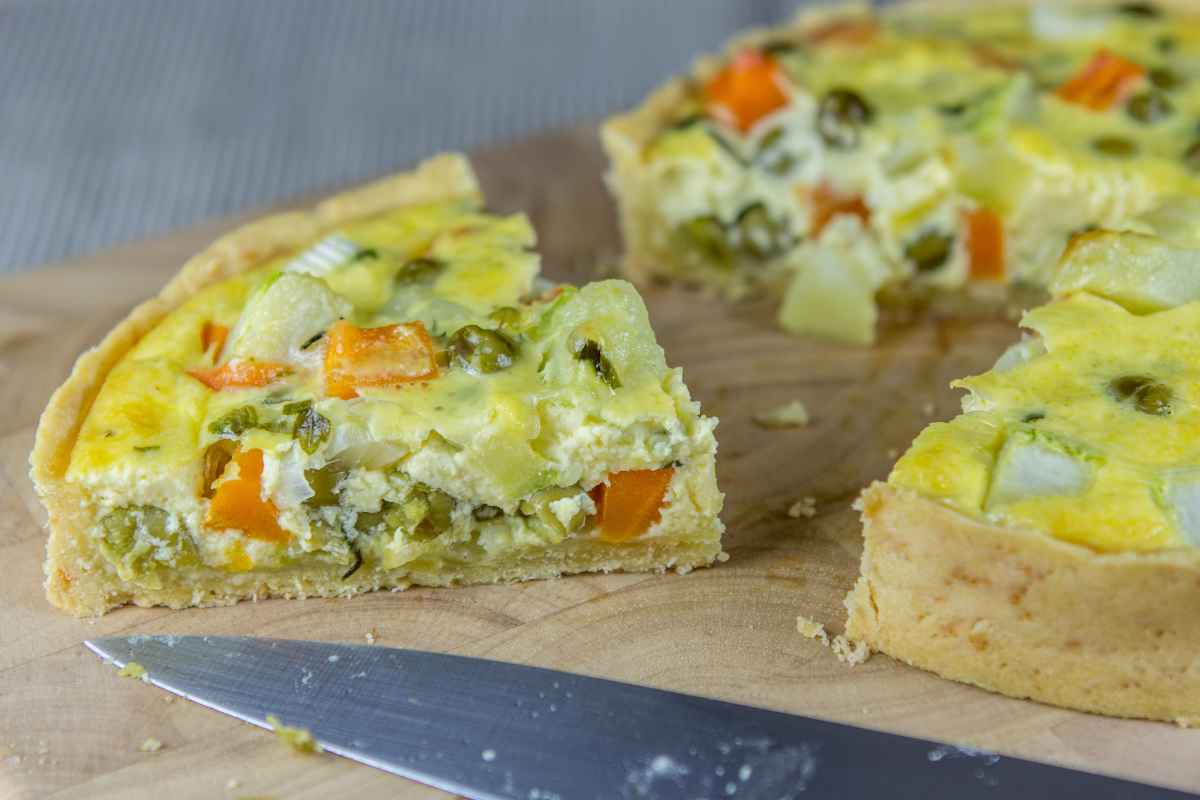
A vegetable quiche brings a little elegance to the brunch table without requiring an elaborate menu. Its crisp pastry shell and soft egg filling make it substantial enough to serve as a main dish, while the vegetables add color and flavor.
You could use spinach, mushrooms, onions, bell peppers, or a combination of vegetables you already enjoy. A little cheese helps bring the filling together, but you do not need to add too many ingredients. Choose a combination that works well rather than trying to include everything in the refrigerator.
One thing worth remembering is that vegetables with a high water content should be cooked before adding them to the filling. Mushrooms and spinach, for example, can release moisture during baking and make the quiche watery if they go straight into the pastry.
Bake the quiche until the center is set, then give it time to rest before slicing. This helps the pieces hold their shape when served. You can prepare it earlier in the day and serve it warm or at room temperature, depending on your preference.
For a simple presentation, cut the quiche into neat wedges and arrange them on a platter. Add a small bowl of dressed greens nearby if you want something fresh to balance the richness.
3. Make a Breakfast Strata
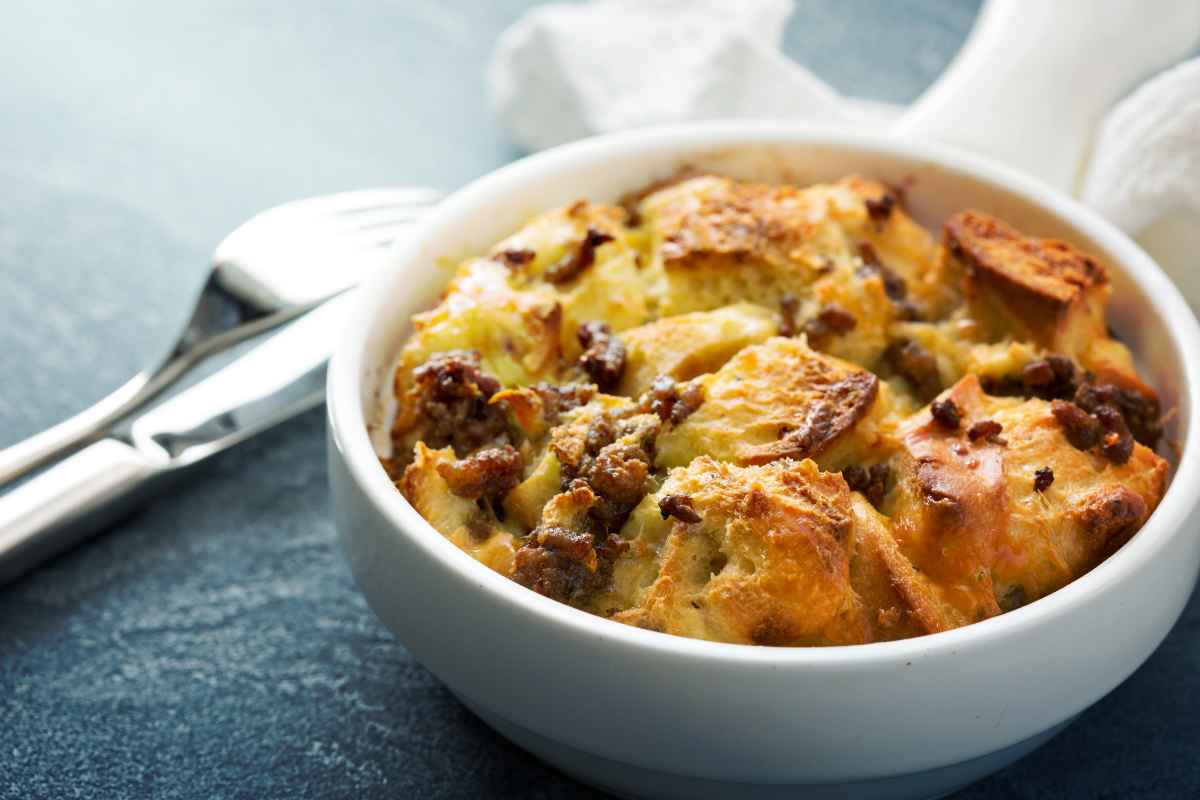
If you like the idea of a baked breakfast but want something savory, a breakfast strata is worth considering.
It is made with bread, eggs, milk, cheese, and fillings such as vegetables or cooked sausage. As it bakes, the bread absorbs the egg mixture, creating a soft middle with a lightly browned top.
This is a useful brunch option because it can feed several people from one dish. You can also adapt it to suit your guests. Make a vegetable version with spinach and peppers, or add cooked sausage if you want a heartier meal.
Use bread that is slightly dry rather than very fresh and soft. It tends to absorb the mixture more evenly and gives the finished strata a better texture. Letting the assembled dish rest before baking also helps the bread soak up the liquid.
A strata is particularly helpful when you want to get some of the preparation out of the way before Easter morning. Assemble it in advance, cover it, and refrigerate it according to your recipe.
Bake it thoroughly before serving, especially when it contains meat or eggs.
Serve it in the baking dish or transfer individual slices to a platter. Since it is already filling, you can keep the accompanying dishes light and avoid preparing too many heavy foods.
4. Set Up a Smoked Salmon Bagel Platter
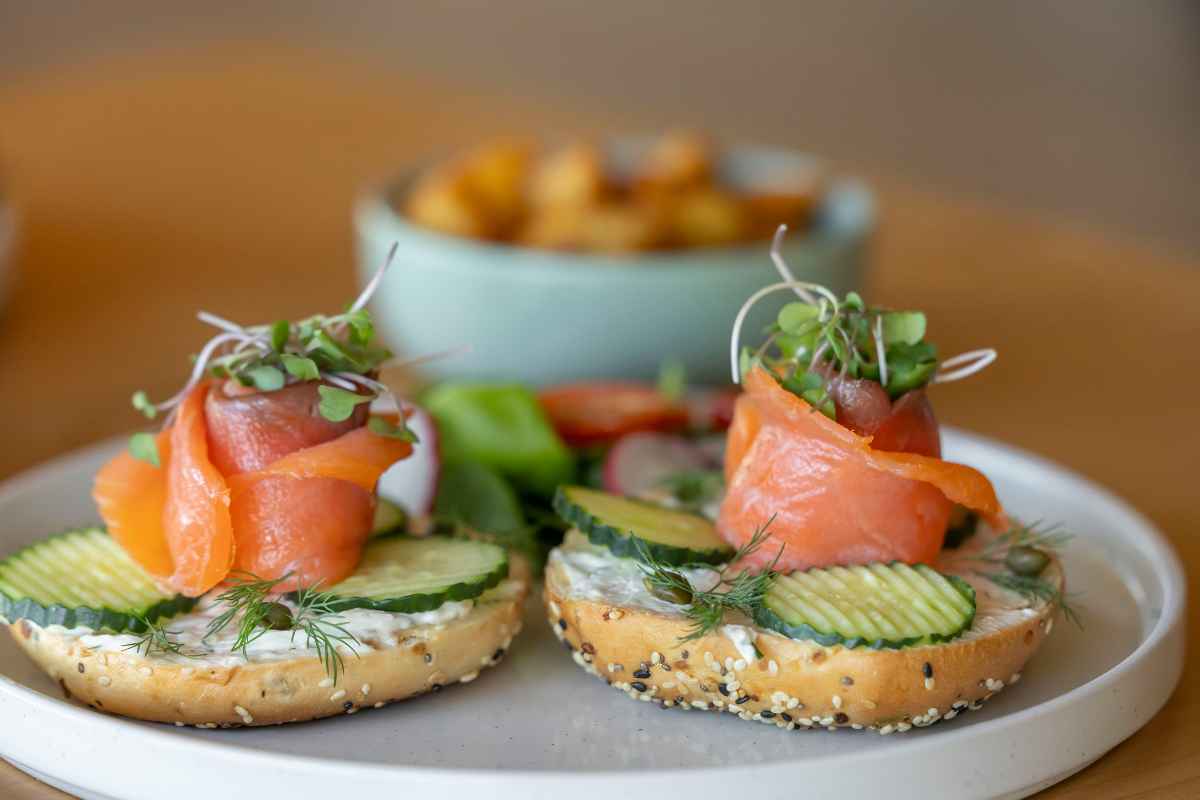
For a brunch that feels a little different from the usual hot breakfast, arrange a smoked salmon bagel platter. It allows guests to build their own bagels, which makes serving easy and gives everyone a chance to choose the combinations they like.
Set out halved bagels, cream cheese, smoked salmon, thinly sliced cucumber, red onion, and fresh herbs. Lemon wedges can add brightness, while capers are a good extra for guests who enjoy their salty, tangy flavor.
Presentation matters with this kind of meal. Arrange the ingredients in small groups on a large board or platter, keeping the salmon chilled until it is time to serve. Place spreads in separate bowls and provide a serving utensil for each ingredient.
You do not have to buy many different types of bagels. Plain and whole-wheat options are enough for most gatherings, especially when the toppings offer plenty of variety.
Because smoked salmon is a perishable food, avoid leaving it sitting out for the entire event. Put out a manageable quantity and replenish it from the refrigerator as needed. That way, the platter remains fresh and attractive throughout brunch.
5. Cook Shakshuka for a Flavorful Main Dish
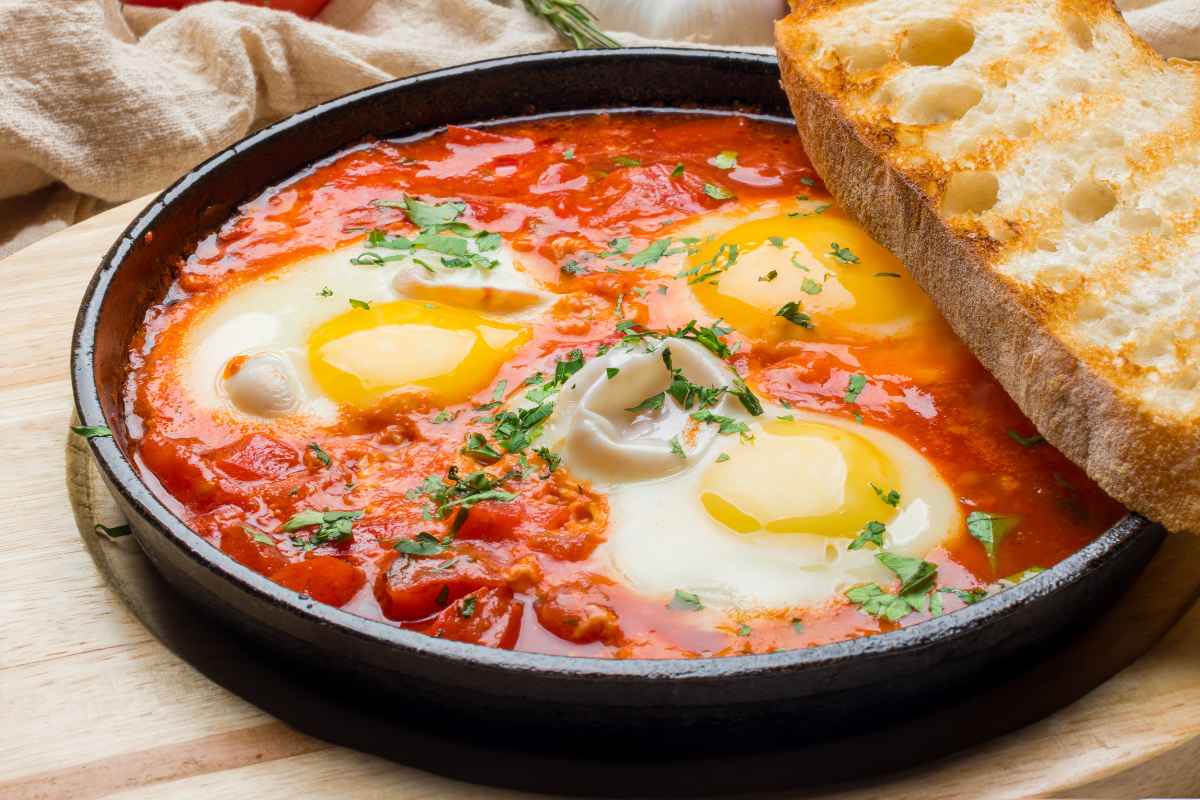
Shakshuka is a satisfying option if you want to introduce a dish that feels a little different. It features eggs cooked in a seasoned tomato and pepper sauce, often with onions, garlic, and spices. The result is colorful, comforting, and ideal for scooping up with bread.
Start by cooking the onions and peppers until softened, then add the garlic, tomatoes, and seasonings. Let the sauce simmer until it thickens slightly before adding the eggs. Cover the pan and cook until the whites are set and the yolks reach your preferred consistency.
A wide pan makes serving easier because you can bring the dish straight to the table. Just remember that the handle and base may be hot, so place it on a heatproof mat.
Serve shakshuka with toasted bread or warm flatbread. It can be a centerpiece for a smaller brunch, particularly if you pair it with a simple fruit platter and a refreshing drink.
If some guests prefer their eggs fully cooked, leave the pan on the heat a little longer. You can also make the tomato sauce ahead of time and add the eggs shortly before serving. That small bit of planning makes the morning much easier.
6. Put Together a Breakfast Taco Bar

A breakfast taco bar is an easy way to make brunch interactive without organizing a formal activity. Instead of preparing every taco individually, arrange the fillings on the table and let guests make their own.
Offer small tortillas, scrambled eggs, cooked beans, sautéed peppers, grated cheese, sliced avocado, and a mild salsa. You can add cooked chicken sausage or another suitable filling if you want a more substantial spread. Keeping the ingredients separate means guests can choose what they enjoy and leave out anything they do not eat.
Warm the tortillas shortly before serving and keep the hot fillings in covered dishes. Cold toppings such as avocado and salsa should be placed in separate bowls so they stay fresh.
The trick is to prepare only a few well-chosen fillings. A long list of toppings may look impressive, but it also creates more work and can leave you with unnecessary leftovers. Four or five good options are usually enough for a home gathering.
For presentation, use small bowls and arrange them in the order guests will build their tacos. Put plates and napkins at the beginning of the table, followed by tortillas and fillings. This simple arrangement keeps everyone moving comfortably.
7. Make Crispy Breakfast Potatoes

Breakfast potatoes bring a familiar, savory element to the Easter table. They are especially useful when you are serving egg dishes, quiche, or breakfast casseroles and want a side that adds texture.
Cut potatoes into evenly sizes s so they cook at roughly the same rate. Toss them with oil, salt, black pepper, garlic, and herbs, then roast until the edges turn golden and the centers are tender. Paprika can add a little color without making the dish too spicy.
Avoid overcrowding the baking tray. When the potatoes are packed too tightly, they tend to steam rather than brown. Use two trays if necessary, and turn the potatoes during cooking so more sides develop a crisp surface.
You can peel the potatoes ahead of time if your recipe allows, but the best texture comes from roasting them close to serving time. If your oven is busy with another dish, plan the cooking order in advance so the potatoes are not forgotten.
Serve them in a shallow bowl rather than a deep one. This helps the crisp edges stay exposed instead of trapping steam underneath. A little chopped parsley just before serving gives the potatoes a fresh finish.
8. Offer a Savory Breakfast Crepe Station

Crepes are a nice alternative to pancakes when you want brunch to feel a little more special. They are thin, delicate, and can be filled with a variety of savory ingredients without making the meal too heavy.
Prepare a simple crepe batter with flour, eggs, milk, a little melted butter, and a pinch of salt. Cook the crepes in a lightly greased pan, turning them carefully so they remain thin and flexible.
For the filling, offer sautéed mushrooms, spinach, grated cheese, and cooked chicken pieces. You can also provide a simple cheese-and-herb filling for guests who prefer something lighter. Keep the options manageable so assembling the station does not become a major task.
Crepes can be made ahead and stacked between sheets of baking paper. Warm them gently before serving, then place the fillings in separate bowls. Guests can fill and fold their own crepes at the table.
This idea works particularly well for a small brunch where people have time to sit and enjoy the meal. If you are hosting a large group, prepare the crepes in advance rather than trying to cook them individually while everyone waits.
9. Serve a Fresh Spring Fruit Platter
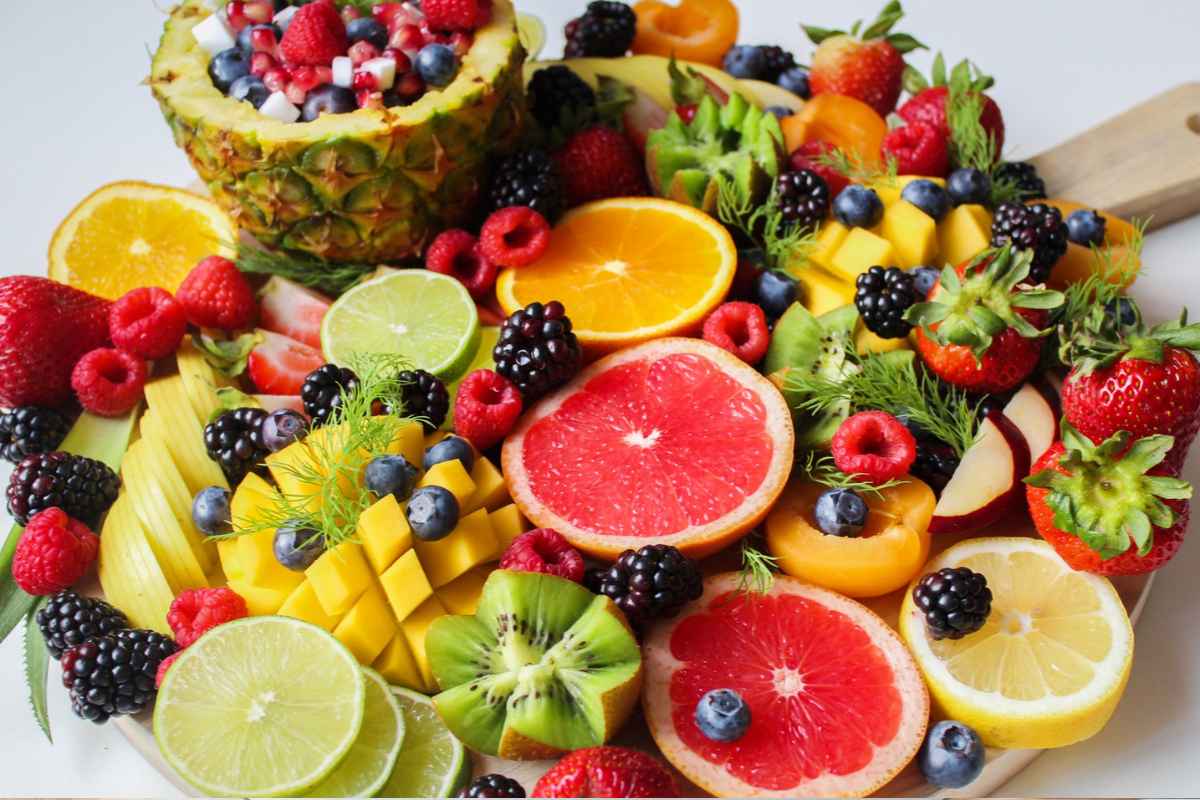
A fruit platter brings color and freshness to the table and gives guests something light to enjoy alongside richer dishes. It is also one of the easiest items to prepare because you can use fruits that are available and in season.
Choose a few different colors and textures. Strawberries, grapes, pineapple, melon, kiwi, and orange segments can create a bright arrangement, but you do not need every fruit on the market. Three to six varieties are often enough for a beautiful platter.
Wash and dry the fruit thoroughly before arranging it. Cut larger fruits into pieces that are easy to pick up, and keep the smaller ones in clusters for a more natural look. If you are preparing the platter in advance, cover and refrigerate it until serving time.
A wide platter usually works better than a deep bowl because the fruit remains visible. You can group the different fruits in sections or arrange them in gentle curves rather than mixing everything together.
For guests who enjoy a little extra flavor, serve plain yogurt in a separate bowl. Keeping it separate means the fruit stays fresh and people can decide for themselves whether they want to add it.
10. Prepare a Savory Breakfast Muffin Tray

Savory breakfast muffins are convenient when you want individual portions that guests can pick up easily. They are different from sweet muffins because they rely on ingredients such as eggs, cheese, vegetables, and herbs.
You can make egg muffins in a greased muffin tin using beaten eggs, chopped spinach, peppers, onions, and a little cheese. Alternatively, prepare flour-based savory muffins with grated cheese and herbs. Either option gives you a useful addition to a brunch spread.
If you choose egg muffins, avoid filling each cup to the very top because the mixture may rise as it cooks. Bake until the centers are set, then allow the muffins to cool slightly before removing them from the tin.
These are particularly helpful if children or guests will be eating while moving around and talking. They do not require much cutlery, and leftovers can be stored safely and reheated according to food-safety guidance.
Arrange the muffins in a lined basket or on a platter. If you make two flavors, keep them in separate groups and identify them with small labels so guests know what they are choosing.
11. Add a Waffle Bar With Savory Toppings
Waffles are often served with sweet toppings, but a savory waffle bar can give your Easter brunch a different character. The waffles provide a crisp base, while the toppings turn them into a more substantial meal.
Prepare plain waffles with a batter that is not overly sweet. Offer toppings such as scrambled eggs, grated cheese, sautéed mushrooms, sliced avocado, and cooked chicken pieces. A little chopped spring onion can add freshness.
If you are hosting several people, make the waffles before guests arrive and keep them warm in a low oven on a rack. Stacking them while hot can soften their crisp edges, so allow some space around them until serving.
You can keep the setup simple by choosing three or four toppings. Put the waffles on one platter and the toppings in small bowls nearby. This makes the station easy to understand and prevents the table from becoming cluttered.
If you would rather serve traditional waffles with syrup, you can do that too. The important thing is to decide whether waffles will be a sweet or savory part of the meal so you can balance the rest of the menu around them.
12. Bake a Mushroom and Cheese Breakfast Tart

A mushroom and cheese breakfast tart looks attractive when sliced and arranged on a platter, yet it can be prepared with a straightforward combination of pastry, mushrooms, cheese, and seasoning.
Use a ready-made pastry sheet if you want to save time. Cook the mushrooms first with a little oil or butter until their moisture has evaporated. This step is important because wet mushrooms can make the pastry soggy.
Spread a thin layer of cheese over the pastry, add the mushrooms, and season with black pepper and herbs. Fold the edges slightly if you want a rustic look, then bake until the pastry is golden and crisp.
Let the tart rest for a few minutes before cutting it into squares or slices. It can be served warm, which makes it convenient for brunch because you can prepare it while the table is being arranged.
Pair it with a fresh salad or fruit platter rather than several other rich dishes. Since the tart already contains pastry and cheese, a lighter accompaniment helps the meal feel balanced.
13. Offer Mini Breakfast Sandwiches
Mini breakfast sandwiches are practical for guests who like familiar food and for gatherings where people may not all sit down at the same time. They also allow you to serve a substantial option without giving everyone a large sandwich.
Use small rolls or slider buns and fill them with scrambled eggs, cheese, and cooked sausage or a vegetable filling. You can prepare a few combinations if you know your guests have different preferences, but two options are enough for most small gatherings.
Assemble the sandwiches shortly before serving so the bread does not become soggy. If you want to prepare them in advance, keep the components separate and put them together closer to mealtime.
Arrange the sandwiches on a large tray with the cut sides visible. This makes it easy for guests to see what is inside and choose the one they prefer. A few fresh herbs or a simple cloth-lined basket can make the presentation feel thoughtful without requiring elaborate decoration.
Keep any meat and egg fillings at safe temperatures, and do not leave the sandwiches sitting out for hours. Replenishing the tray in smaller batches is a sensible way to keep the food fresh.
14. Make a Bright Carrot and Cabbage Slaw
Not every brunch side needs to be cooked. A crisp carrot and cabbage slaw can bring freshness to a table filled with warm, savory dishes.
Shred the cabbage and carrots finely, then combine them with a dressing made from mayonnaise or plain yogurt, a little lemon juice, and seasoning. If you prefer a lighter version, use more yogurt and less mayonnaise. A small amount of mustard can add flavor without overpowering the vegetables.
Prepare the vegetables ahead of time, but add the dressing closer to serving so the slaw stays crisp. If you are making it several hours in advance, refrigerate the vegetables in a covered container and keep the dressing separately.
Use a shallow serving bowl and finish with a little chopped parsley. The bright orange and pale green colors look lovely beside golden potatoes, quiche, or baked egg dishes.
This side is also useful because it does not require oven space. When several dishes need to bake at the same time, having one or two cold sides ready can make the entire brunch much easier to manage.
15. Serve Warm Buttermilk Biscuits With Herb Butter

Warm biscuits are a comforting addition to a brunch table. Their soft centers and lightly crisp tops pair well with eggs, savory tarts, and other breakfast dishes.
Prepare the biscuit dough with flour, baking powder, cold butter, buttermilk, and salt. Handle the dough gently rather than kneading it for too long. Overworking it can make the biscuits dense instead of tender.
For the herb butter, soften butter and mix it with chopped parsley, chives, or another herb you enjoy. A small pinch of salt and a little lemon zest can make the flavor brighter. Shape the butter into a small dish and chill it until serving.
Biscuits are best when served warm, so plan to bake them close to mealtime. If you are using a recipe that allows the dough to be prepared ahead, follow its storage instructions carefully.
Place the biscuits in a basket lined with a clean cloth to help retain some warmth. Keep the herb butter nearby, and let guests spread it on their own biscuits. It is a small touch that makes a simple side feel more considered.
16. Create a Yogurt and Granola Bowl Station
A yogurt and granola station is a good option for guests who want a lighter brunch or prefer to build their own bowls. It adds variety without requiring another cooked dish.
Set out plain yogurt, granola, sliced bananas, berries, chopped apples, and a few extras such as seeds or chopped nuts. If you have guests with allergies, keep nuts in a separate, clearly identified bowl and use clean serving spoons.
The station works best when everything is arranged in small containers. Place the yogurt at one end, followed by the granola and fruit, then the optional toppings. Small bowls and spoons make the setup look neat and help guests serve themselves easily.
Keep the yogurt refrigerated until serving and replenish it in smaller quantities if brunch will last a while. Granola should stay dry and separate until people are ready to eat, otherwise it can lose its crunch.
You can also provide a dairy-free yogurt option if it suits your guests. The point is not to create an enormous buffet; it is to give everyone a simple choice that complements the richer dishes on the table.
17. Prepare a Smoked Chicken and Spinach Frittata

A frittata is an excellent way to serve eggs without making individual omelets. It is cooked in one pan, sliced into portions, and easy to combine with a variety of sides.
For this version, use eggs, cooked smoked chicken, spinach, onions, and a little cheese. Cook the vegetables first so excess moisture evaporates, then add the eggs and chicken. Finish cooking gently on the stovetop and transfer the pan to the oven if your recipe calls for it.
Make sure the center is fully cooked before serving. Let the frittata rest briefly so it is easier to slice, then cut it into wedges and arrange them on a platter.
You can adapt the filling to suit what you have available. Cooked chicken and spinach are a good combination, but mushrooms or peppers can work too. Just avoid adding so many ingredients that the eggs cannot hold the mixture together.
A frittata is especially useful when you need a dish that can be served warm or at room temperature. Pair it with fresh fruit, biscuits, or a simple slaw, and you have a brunch plate that feels complete without being too heavy.
18. Mix a Fresh Citrus and Mint Drink
A refreshing drink deserves a place on the Easter brunch table, especially if you are serving rich or savory foods. Citrus and mint make a bright, simple combination that feels festive without requiring complicated preparation.
Combine chilled orange juice with a little lemon or lime juice and cold water. Add fresh mint leaves and slices of citrus for color. Taste before serving and adjust the balance according to your preference; some oranges are naturally sweeter than others.
For a sparkling version, replace some of the water with sparkling water just before serving. This gives the drink a lively finish without needing a long list of ingredients.
Prepare the citrus mixture in advance and keep it refrigerated. Add the sparkling water and mint closer to serving so the drink remains fresh. A clear jug makes the colors visible, while simple glasses and citrus slices create an attractive presentation.
If you are serving several drinks, label the jug clearly so guests know what it contains. You can also provide plain water nearby, because a good brunch table should offer refreshing choices rather than only sweet beverages.
19. Serve a Baked Salmon and Herb Tray
If you want a more substantial main dish, baked salmon with herbs can make Easter brunch feel special without requiring a complicated cooking process.
Season salmon fillets with lemon, garlic, black pepper, a little oil, and fresh herbs such as parsley or dill. Arrange them in a baking dish and cook until the fish is opaque and flakes easily. Cooking time will depend on the thickness of the fillets, so check them carefully rather than relying only on the clock.
Serve the salmon with roasted potatoes, a fresh slaw, or a simple green salad. You do not need to prepare several rich sides because the fish itself is already satisfying.
For a neat presentation, arrange the fillets on a platter and add lemon wedges and chopped herbs just before serving. If you are hosting a larger group, individual fillets can make serving easier than one large piece of fish.
Keep cooked fish at a safe temperature and refrigerate leftovers promptly. If you have guests who do not eat fish, make sure there is another substantial option on the table, such as the vegetable quiche or breakfast strata.
20. Arrange a Build-Your-Own Brunch Bowl
A brunch bowl is a flexible final idea because you can combine several simple ingredients into a meal that feels fresh and filling. It is especially useful when guests enjoy choosing their own portions rather than taking a fixed plate.
Start with a base such as roasted potatoes, cooked grains, or leafy greens. Add toppings such as scrambled eggs, sautéed vegetables, avocado, beans, and a little cheese. You can offer a light lemon dressing or a mild yogurt sauce on the side.
The secret is to organize the ingredients so the bowl remains balanced. Choose one base, one or two protein options, a couple of vegetables, and a dressing. If every ingredient competes for attention, the result can feel messy rather than inviting.
Arrange the ingredients in separate bowls and let guests assemble their own combinations. Keep hot foods warm and cold ingredients chilled until serving, replenishing the table as needed.
This idea is particularly useful if your family has different tastes or dietary preferences. Everyone can make a bowl they enjoy, and you can use some ingredients already prepared for other parts of the meal without making the dishes feel identical.
How to Plan an Easter Brunch Without Wearing Yourself Out
A lovely brunch should give you time to enjoy the celebration too. It is easy to get carried away by recipes and decorations, but the most memorable gatherings usually come from a menu that suits the people attending and a host who has time to sit down.
Start by choosing one main dish. This could be the vegetable quiche, breakfast strata, shakshuka, or baked salmon.
Then select two or three sides, one fresh option, and a drink. You do not need to prepare all 20 ideas. the list is there to help you choose a combination that works for your household.
Think about the cooking equipment you have available. If the oven will be occupied by a casserole and potatoes, choose a cold fruit platter or yogurt station rather than adding three more baked dishes.
A stovetop dish and a make-ahead side can help spread the work across different parts of the kitchen.
Prepare ingredients the day before wherever it is safe and practical. Wash vegetables, measure dry ingredients, mix dressings, and arrange serving dishes.
Keep perishable foods refrigerated and follow the storage instructions for recipes containing eggs, dairy, fish, or meat.
How to Make Your Easter Brunch Table Look Beautiful
You do not need expensive decorations to make the table look inviting. A clean tablecloth or runner, a few flowers, and matching plates can make a big difference.
Pastel napkins, simple glassware, or small seasonal touches can add Easter character without making the table feel crowded.
Think about the height of your serving dishes. Put taller jugs and flower arrangements where they will not block people’s view of one another, and keep the main food platters easy to reach.
Guests should be able to serve themselves without moving several decorations out of the way.
If you are looking for more ways to style the food and make the gathering feel festive, you may also enjoy 21 Easter Party Ideas for a Fun and Beautiful Celebration. It can help you find additional inspiration for activities, decorations, and the overall atmosphere, while these brunch ideas help you decide what goes on the table.
Use serving spoons for shared dishes and label anything that contains common allergens when appropriate. Small details like these make the gathering more comfortable for guests and help the table stay organized.
Frequently Asked Questions
What should I serve for Easter brunch?
Choose one main dish, such as quiche, breakfast strata, shakshuka, or baked salmon. Add a few sides, fresh fruit, bread, and a drink. The best menu is one that suits your guests and can be prepared without too much last-minute work.
How many dishes do I need for Easter brunch?
For a small gathering, three to five well-chosen food options plus drinks may be enough. For a larger group, add variety according to the number of guests, but avoid making more food than you can store safely or reasonably expect people to eat.
Can I prepare Easter brunch the night before?
Yes, including quiche fillings, casserole mixtures, chopped vegetables, dressings, and some baked goods. Store ingredients safely in the refrigerator.
What can I serve for guests who do not eat meat?
Vegetable quiche, shakshuka, savory crepes with vegetables, breakfast potatoes, fruit, yogurt bowls, and vegetable-based strata are useful choices. Check that stocks, sauces, and other ingredients are also suitable for your guests’ dietary needs.
How do I keep Easter brunch warm?
Use covered, oven-safe dishes for foods that can safely be held warm, and keep cold foods refrigerated until serving. Avoid leaving perishable foods at room temperature for extended periods. If brunch lasts a while, replenish the serving dishes in smaller batches.
How can I make Easter brunch feel special on a budget?
Choose a few dishes made with affordable ingredients, use seasonal fruit and vegetables, and decorate with items you already have. Trust me a tidy table, thoughtful menu, and relaxed atmosphere often matter more than expensive decorations or a huge spread.
Final Thoughts
Easter brunch does not need to be a grand production to be memorable. Choose dishes you enjoy making, include a little variety, and prepare as much as you reasonably can before guests arrive. A warm casserole, a colorful platter, a fresh drink, and a table where everyone feels welcome can be more than enough.
Use these 20 Easter brunch ideas as a starting point and build a menu that suits your family, your budget, and the time you have available. Most importantly, leave yourself room to enjoy the meal too. After all, the celebration is not only about what is served; it is also about the people gathered around the table.