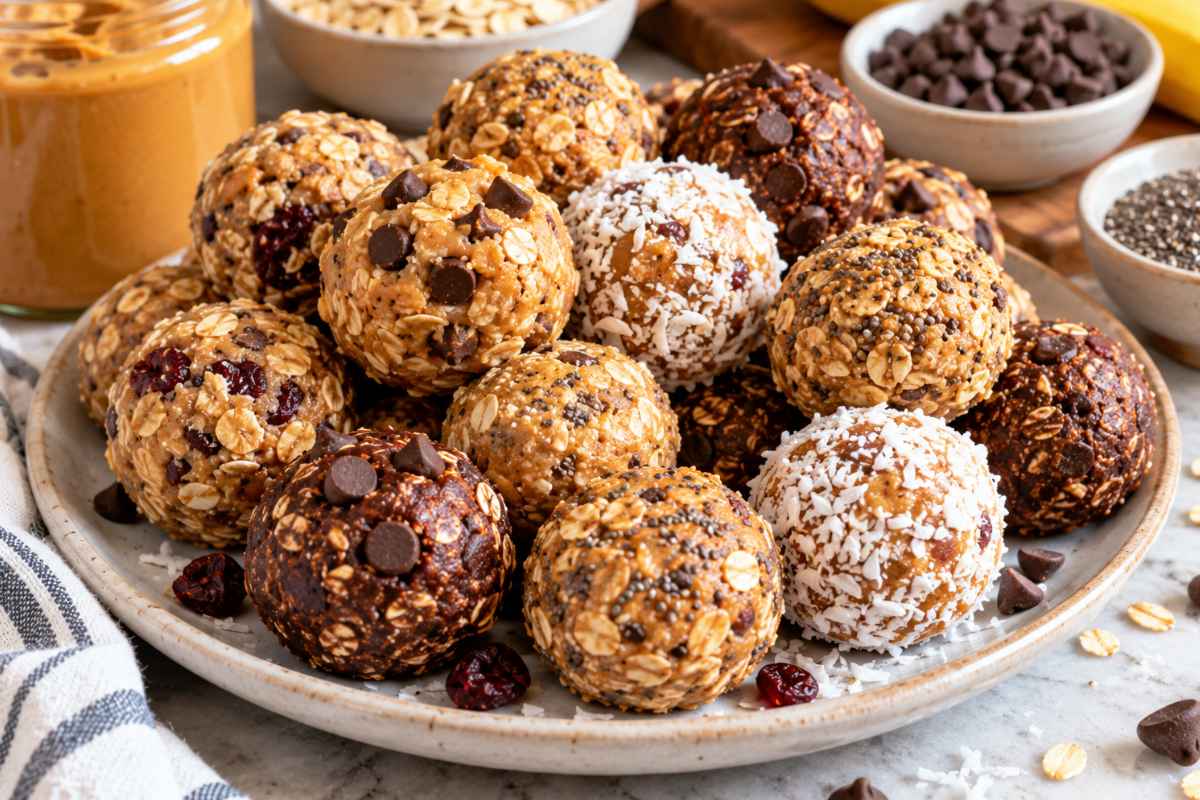
20 Easy No-Bake Peanut Butter Protein Balls You’ll Love
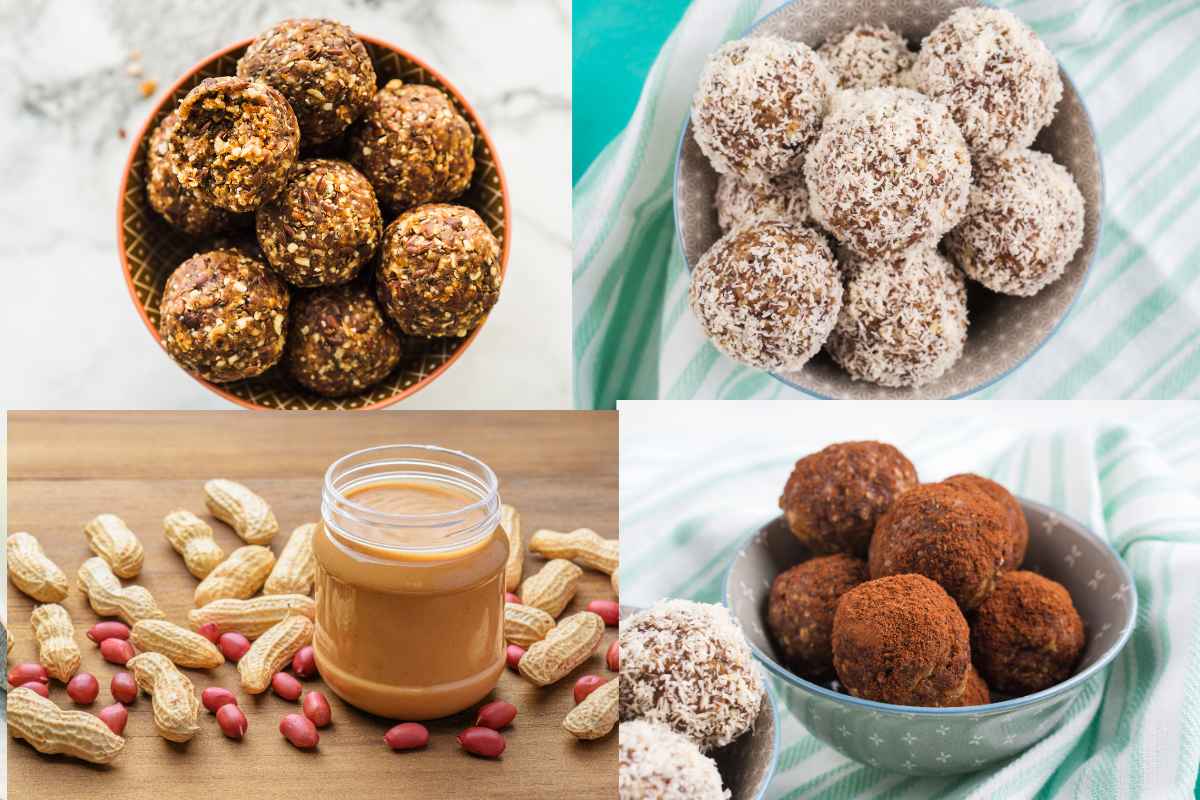
20 Easy No-Bake Peanut Butter Protein Balls You’ll Love are just what you need when you want a homemade snack without turning on the oven or spending too much time in the kitchen.
With creamy peanut butter, oats, and a few simple ingredients, you can make little bites that are delicious, easy to customize, and convenient to keep on hand.
One thing I appreciate about no-bake snacks is how flexible they are. You can start with a basic peanut butter mixture and turn it into chocolate bites, coconut-covered balls, banana-flavored treats, or even a coffee-inspired snack.
You can also add ingredients such as Greek yogurt, protein powder, powdered peanut butter, seeds, or finely chopped nuts to increase the protein content.
I especially like the idea of preparing snacks ahead of time. There are days when you want something between meals, but you don’t feel like getting out several bowls, heating the oven, and cleaning up afterward. Having a container of homemade protein balls in the refrigerator makes snack time much easier.
The best part is that you don’t need to be an experienced baker to make them. Most versions involve mixing the ingredients, rolling the mixture into small balls, and chilling them until firm.
A few simple adjustments can help you get the right texture, even if you’re trying a recipe for the first time.
In this collection, you’ll find 20 different variations, from classic peanut butter oat balls to chocolate, coconut, and banana combinations.
Whether you prefer a chewy snack, a rich chocolate flavor, or something with extra crunch, there is plenty of inspiration here.
1. Classic Peanut Butter Oat Protein Balls
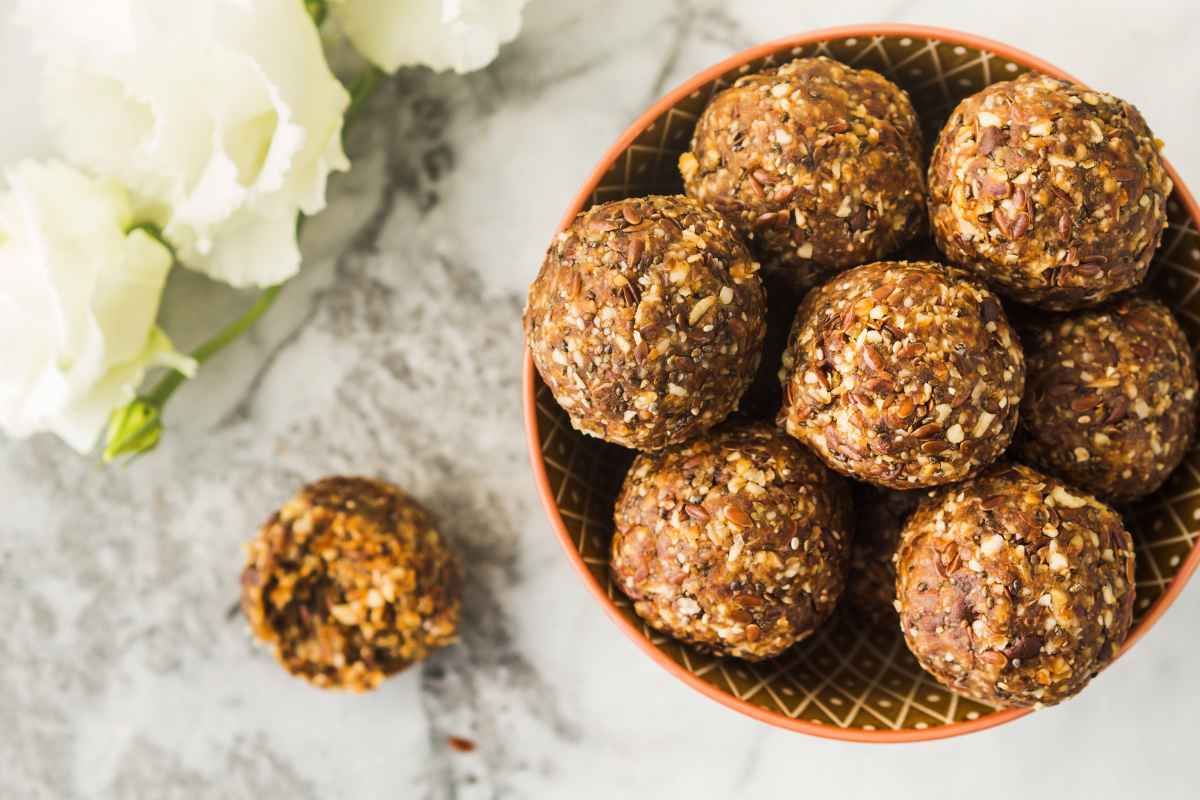
Sometimes, the simplest recipe is the one you return to most often. Classic peanut butter oat protein balls are a good starting point because they use familiar ingredients and allow you to adjust the sweetness and texture to your liking.
To make them, combine rolled oats, creamy peanut butter, a little honey, and your preferred protein powder in a mixing bowl.
Stir until everything comes together. If the mixture feels too dry or crumbly, add a small amount of milk, one teaspoon at a time. If it is too sticky to roll, mix in a little more oats.
Roll the mixture into small, evenly sized balls and arrange them on a lined plate or tray. Refrigerate until firm, then transfer them to a covered container.
For a more protein-rich version, choose a protein powder you enjoy the taste of and check the nutrition information on your peanut butter and oats. You can also add a spoonful of chia seeds, although they will slightly change the texture.
I like this basic combination because it gives you plenty of room to experiment. You can add cinnamon, vanilla extract, chopped peanuts, or a few dark chocolate chips without changing the entire recipe.
These balls are useful when you want a snack you can prepare in advance. Keep them refrigerated, and take out a serving when you’re ready to eat.
2. Chocolate Peanut Butter Protein Balls
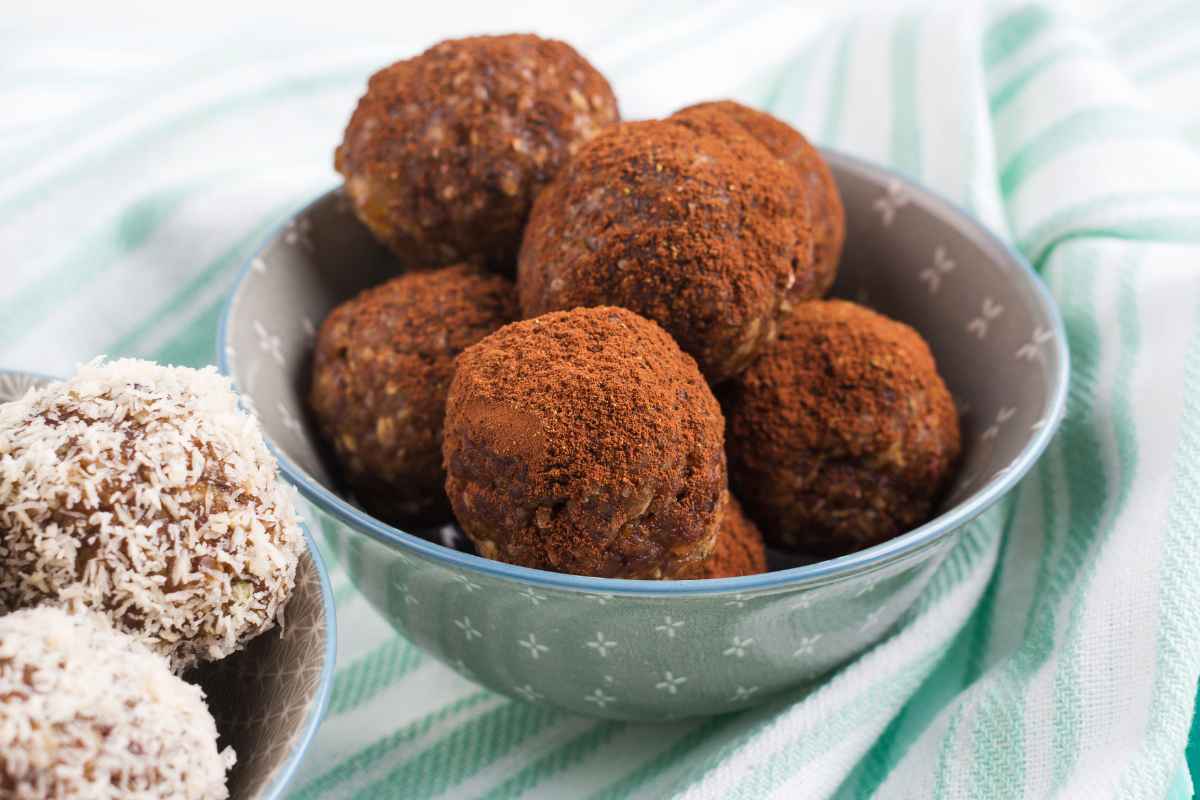
If you enjoy the combination of chocolate and peanut butter, this variation is worth trying. The cocoa gives the balls a rich chocolate flavor, while the peanut butter adds creaminess and helps hold the mixture together.
Start with rolled oats, peanut butter, unsweetened cocoa powder, and a little honey or maple syrup. Add protein powder if you want to increase the protein content.
Mix everything together until the cocoa is evenly distributed and the mixture holds its shape when pressed between your fingers.
Cocoa powder can make the mixture drier, so add a little milk if necessary. Once the texture is right, roll the mixture into small balls and refrigerate until firm.
For a more intense chocolate taste, add a small amount of finely chopped dark chocolate. You could also roll the finished balls in a little cocoa powder, but use a light coating so the outside doesn’t taste too bitter.
If you want to make these more protein-focused, you can use chocolate protein powder or combine plain protein powder with cocoa. The final protein content will depend on the quantities and products you choose.
These chocolate peanut butter protein balls are a nice alternative to packaged chocolate snacks. They also look attractive arranged on a small plate, making them suitable for a homemade snack platter.
3. Peanut Butter Chocolate Chip Protein Balls
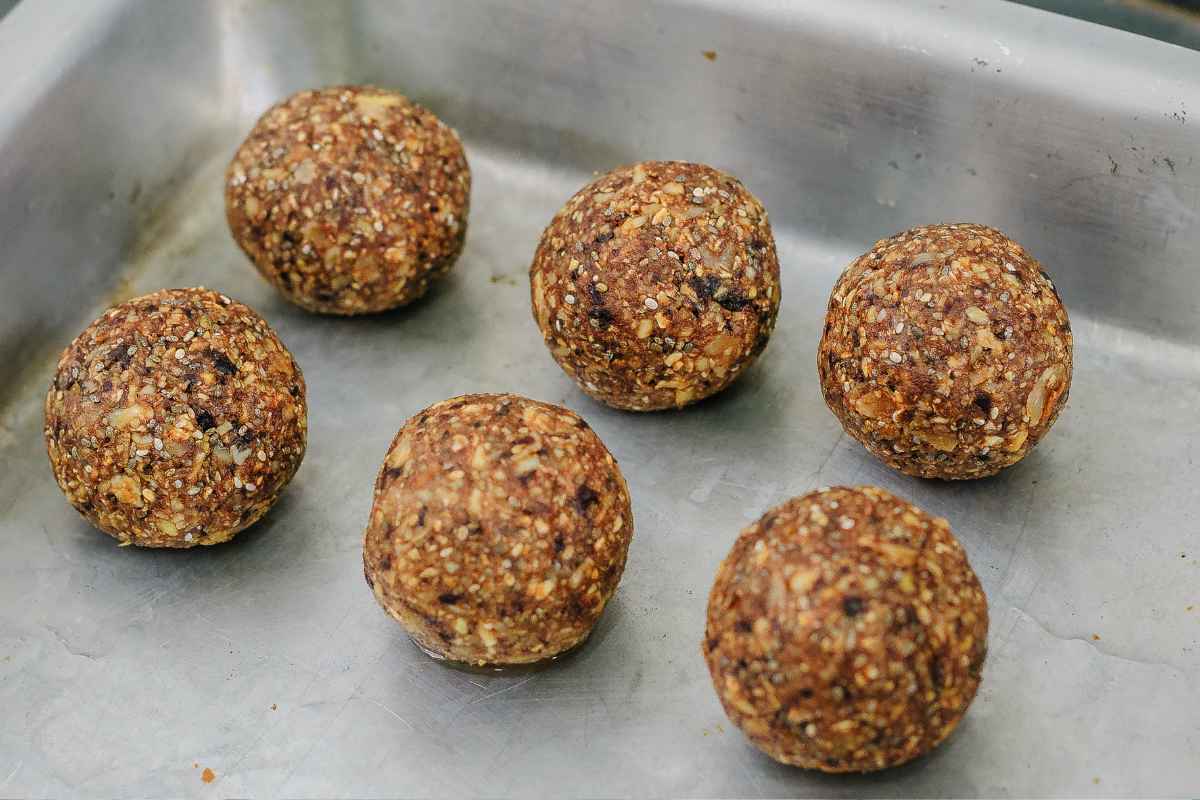
Chocolate chips add little bursts of sweetness to peanut butter protein balls. This version is especially useful if you want something that feels like cookie dough without baking a batch of cookies.
Mix rolled oats, peanut butter, a little honey, and vanilla extract in a bowl. Add protein powder if desired, then fold in a small handful of mini chocolate chips.
Mini chips work particularly well because they spread throughout the mixture without making the balls difficult to roll.
If the mixture is too soft, refrigerate it briefly before shaping. If it is too dry, add a teaspoon of milk and mix again.
You can use dark, milk, or semi-sweet chocolate chips, depending on your preference. Dark chocolate gives a less sweet result, while milk chocolate creates a more dessert-like flavor.
To increase the protein content, use protein powder and consider adding finely chopped peanuts. Just remember that adding more dry ingredients may require extra moisture to keep the mixture from crumbling.
I would make these when I wanted a snack that felt a little more indulgent but was still easy to prepare. The chocolate chips make each bite interesting, and you can control how sweet the mixture becomes.
Store the finished balls in a covered container in the refrigerator so they hold their shape.
4. Peanut Butter Coconut Protein Balls
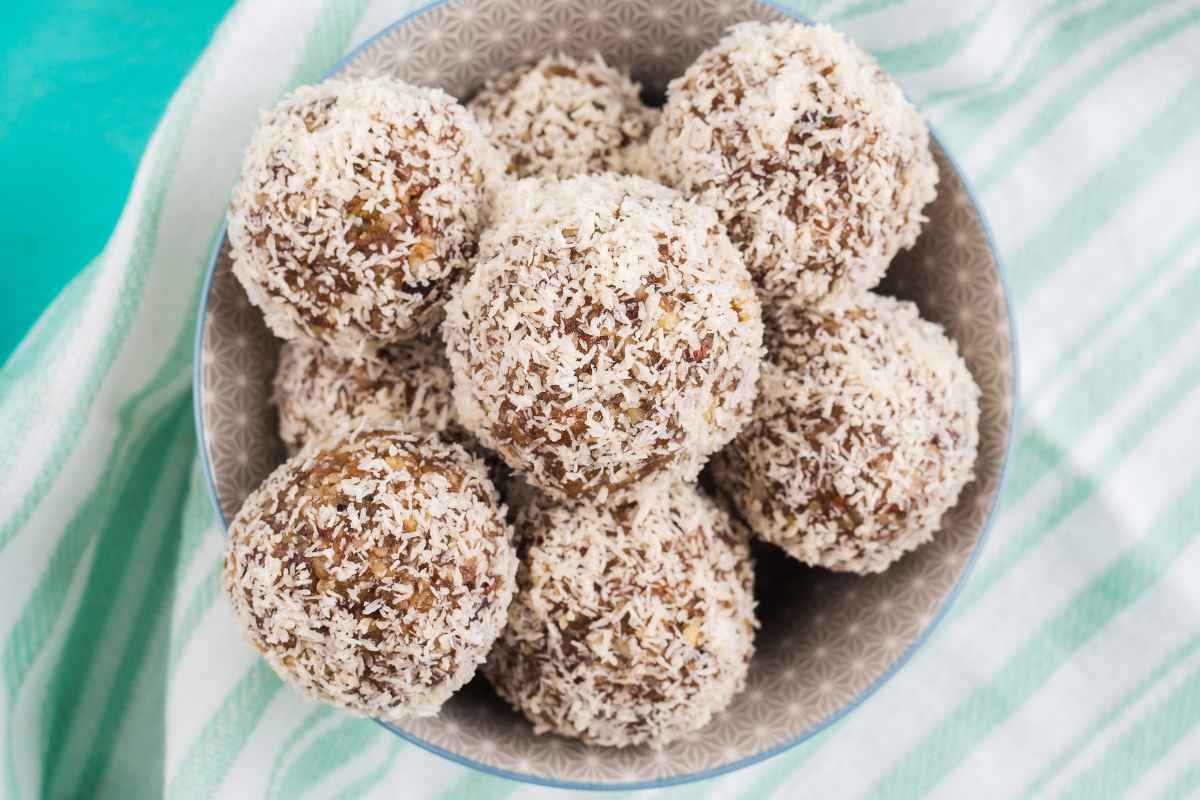
Peanut butter and coconut make a lovely combination, especially if you enjoy snacks with a slightly chewy texture.
The coconut adds a different flavor to the familiar peanut butter base and makes the finished balls look pretty when rolled in extra coconut.
Combine peanut butter, rolled oats, shredded unsweetened coconut, and a little honey in a bowl. Add protein powder if you want a more protein-rich version. Stir until the mixture holds together, then shape it into small balls.
Roll each ball in a little extra shredded coconut. Press gently so the coconut sticks to the surface.
If the mixture feels dry, add a small amount of milk. If it feels too sticky, add a little more oats or coconut. The right texture should be moist enough to hold together without sticking excessively to your hands.
For extra crunch, add finely chopped peanuts. You can also use a little vanilla extract to complement the coconut flavor.
Coconut contributes some protein, but it is not the main protein source in this recipe. Peanut butter and optional protein powder will generally contribute more, so choose your ingredients accordingly if protein is a priority.
These balls are a good choice when you want to move away from chocolate-based snacks without making something completely different.
5. Peanut Butter Banana Protein Balls
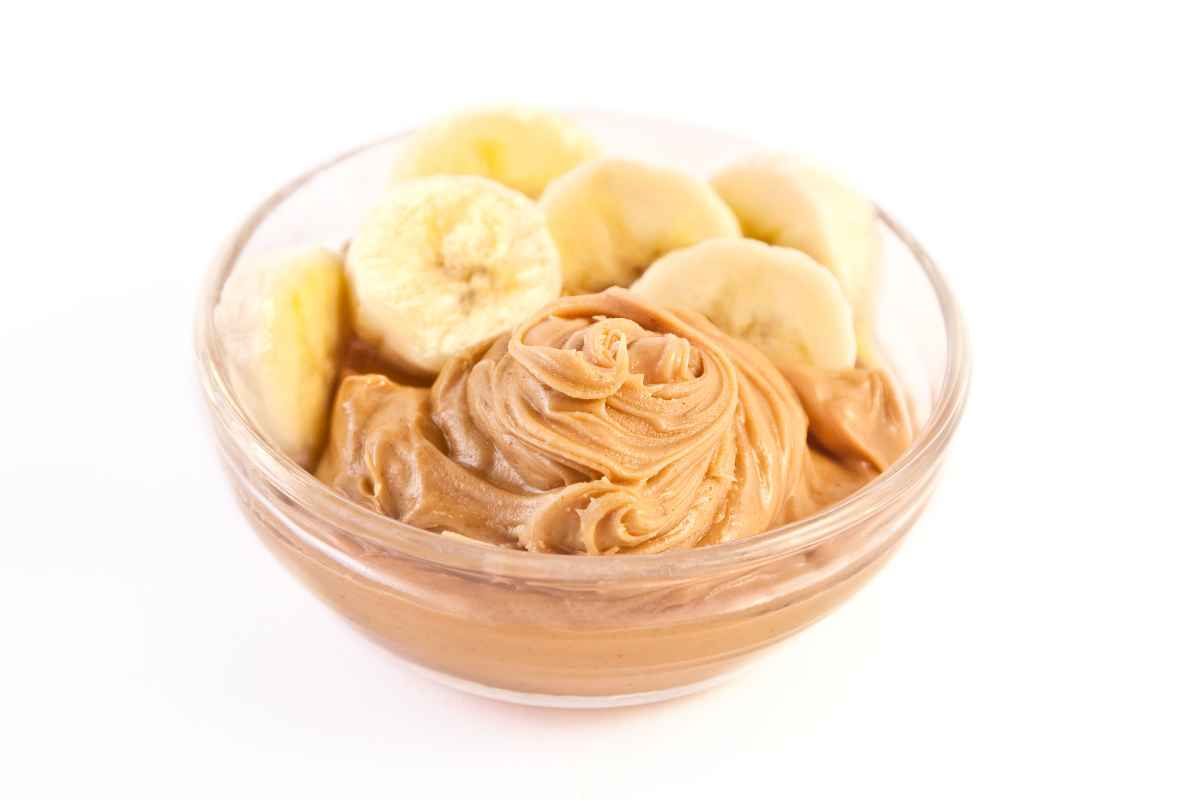
Banana adds natural sweetness and a soft texture to peanut butter protein balls. This version is particularly useful when you have a ripe banana to use and want to turn it into a homemade snack.
Mash a small amount of ripe banana in a bowl, then mix it with peanut butter, rolled oats, and protein powder.
Add cinnamon or vanilla extract for extra flavor. Since banana contains moisture, start with a modest amount and add more oats if the mixture becomes too soft.
Roll the mixture into small balls and place them on a lined tray. Refrigerate until firm. Because fresh banana makes the mixture more perishable, keep these balls refrigerated and enjoy them promptly rather than treating them like a shelf-stable snack.
For a stronger peanut butter flavor, use creamy peanut butter and add a few finely chopped peanuts. If you want a chocolate-banana combination, stir in a little cocoa powder or a few mini chocolate chips.
Protein powder can help increase the protein content, while peanut butter provides additional protein and a creamy texture. The exact amount depends on the ingredients you use.
I like this idea because the banana gives the mixture a familiar, comforting flavor. It also means you may not need as much added sweetener, depending on how ripe the fruit is.
6. Peanut Butter Cinnamon Protein Balls
Cinnamon gives these peanut butter protein balls a warm flavor without requiring many extra ingredients. If you enjoy cinnamon oatmeal or peanut butter toast sprinkled with cinnamon, this is an easy variation to try.
Combine rolled oats, peanut butter, protein powder, a little honey, and ground cinnamon. Mix well so the cinnamon is distributed evenly throughout the mixture. Add a small amount of milk if it is too dry to roll.
Shape the mixture into balls and refrigerate until firm. For a little extra texture, add chia seeds or finely chopped peanuts.
You can also use a pinch of nutmeg alongside the cinnamon, but keep the spices balanced so they don’t overpower the peanut butter.
For a higher-protein version, choose a protein powder with a neutral or vanilla flavor. A strongly flavored powder can change the taste, so it helps to choose one that complements cinnamon.
These balls are a simple way to add variety without buying lots of different ingredients. You can make the basic mixture in a few minutes and adjust the cinnamon to suit your taste.
They work well as an afternoon snack or a small bite when you want something sweet but not overly rich.
7. Peanut Butter Honey Protein Balls
Honey adds sweetness and helps bind the ingredients in these peanut butter protein balls. The result is a simple snack with a familiar flavor that pairs well with oats and vanilla.
Place peanut butter, rolled oats, a small amount of honey, and protein powder in a mixing bowl. Stir until the mixture begins to clump together. If it feels too wet, add more oats gradually. If it is too dry, add a small splash of milk.
Roll the mixture into balls and refrigerate until they become firm. You can leave them plain or roll them in finely chopped peanuts for extra crunch.
Honey is useful as a binder, but too much can make the mixture sticky. Start with a modest amount and add more only if needed.
To boost the protein content, choose a protein powder you like and consider adding powdered peanut butter. Powdered peanut butter has a different texture from regular peanut butter, so it works best when combined with enough moisture.
These balls are easy to adapt to what you have in your pantry. You can add cinnamon, vanilla, or a few chocolate chips without needing to change the basic method.
Keep them refrigerated in a sealed container and take out a few whenever you want a quick homemade snack.
8. Peanut Butter Chia Seed Protein Balls
Chia seeds are a simple addition when you want a little more texture in your peanut butter protein balls. They provide fiber and some protein, and they blend easily with oats and peanut butter.
Mix rolled oats, peanut butter, chia seeds, a little honey, and protein powder in a bowl. Add milk gradually until the mixture holds together.
Let it sit for a few minutes before rolling so the chia seeds can absorb some moisture.
Shape the mixture into small balls and refrigerate until firm. If the balls seem too soft, add a little more oats; if they crumble, add a small amount of milk.
You can include vanilla extract or cinnamon to give the mixture more flavor. For extra crunch, sprinkle a few additional chia seeds over the finished balls or mix in chopped peanuts.
The peanut butter and protein powder will usually contribute more protein than the chia seeds alone, but the seeds add variety to the ingredient mix.
One thing to keep in mind is that chia seeds absorb liquid. Adding too many without adjusting the moisture can make the mixture dry or dense, so start with a modest quantity.
These are useful when you want to make a batch of snacks that differs slightly from the classic oat version without requiring a completely new recipe.
9. Peanut Butter Vanilla Protein Balls
Vanilla gives peanut butter protein balls a gentle, sweet flavor that works with many different toppings. This is a good option if you prefer something less intense than cocoa or chocolate.
Combine peanut butter, rolled oats, vanilla protein powder, and a little honey. Add a small splash of milk if needed, mixing until the ingredients form a soft dough. If you don’t have vanilla protein powder, use an unflavored variety and add a little vanilla extract.
Roll the mixture into small balls and chill until firm. You can leave them plain or coat them in finely chopped peanuts, shredded coconut, or a little powdered peanut butter.
For a different texture, add a spoonful of chia seeds or finely chopped almonds. If you use nuts, chop them finely so the mixture remains easy to shape.
The vanilla flavor makes these balls versatile enough to pair with different ingredients. You could add cinnamon for warmth, a few mini chocolate chips for sweetness, or a little lemon zest for a fresh twist.
If you’re preparing snacks for several days, make the balls in a consistent size so portions are easier to manage. Store them in the refrigerator and keep them covered to prevent them from drying out.
10. Peanut Butter Almond Protein Balls
Peanut butter and almonds give these protein balls a nutty flavor with a little extra crunch. The almonds also provide some protein, making them a useful addition to a snack designed around protein-rich ingredients.
Combine peanut butter, rolled oats, protein powder, and finely chopped almonds in a bowl. Add a little honey and enough milk to bring the mixture together. Stir until the almonds are evenly distributed.
Roll into small balls, pressing the mixture firmly enough to hold its shape. Refrigerate until firm.
You can use roasted almonds for a deeper flavor or raw almonds for a milder taste. Chop them finely so they don’t make the balls difficult to roll.
For another layer of flavor, add a little cinnamon or vanilla extract. You could also use almond extract sparingly, as its flavor can be quite strong.
If you want to increase the protein content further, check the protein amount in your chosen protein powder and peanut butter. Almonds contribute protein too, but they also contain fats, so a small handful is generally enough to add flavor and texture.
These balls are a good alternative when you want something crunchy rather than a completely smooth mixture.
11. Peanut Butter Flaxseed Protein Balls
Ground flaxseed is another ingredient you can use to change the texture and nutritional profile of homemade protein balls. It has a mild, nutty taste that works well with peanut butter and oats.
Add rolled oats, peanut butter, ground flaxseed, protein powder, and a little honey to a bowl. Mix until the ingredients begin to stick together. Add milk a teaspoon at a time if the mixture is too dry.
Let the mixture rest briefly before rolling. Ground flaxseed absorbs some moisture, so giving it a little time can help you judge whether you need additional liquid.
Shape the mixture into small balls and refrigerate until firm. If you like a stronger nutty flavor, add a few finely chopped peanuts.
Flaxseed contributes fiber and some protein, while peanut butter and protein powder can provide a larger share of the protein in the recipe. Ground flaxseed is usually easier to incorporate evenly than whole flaxseeds.
You can keep the flavor simple with vanilla or add cinnamon for warmth. If the finished mixture tastes a little too earthy, a small amount of honey or a few chocolate chips can help balance it.
This variation is worth considering when you want to use pantry ingredients in a slightly different way.
12. Peanut Butter Espresso Protein Balls
For people who enjoy coffee-flavored treats, espresso peanut butter protein balls offer a deeper flavor without requiring any baking.
Combine peanut butter, rolled oats, protein powder, and a small amount of instant espresso powder in a mixing bowl. Add a little honey and enough milk to form a mixture that can be rolled.
Start with a small amount of espresso powder, taste the mixture, and adjust if needed. Coffee flavor can become quite strong, so it is better to add it gradually.
Roll the mixture into balls and refrigerate until firm. You can also roll the finished balls lightly in cocoa powder for a mocha-style finish.
A chocolate or vanilla protein powder can work well here, depending on the flavor you prefer. Peanut butter remains the main flavor partner, so choose a powder that doesn’t overpower it.
These balls are a nice change from fruit-based or coconut-based versions. They have a more grown-up dessert flavor and can be served alongside a glass of milk or a cup of decaffeinated coffee.
If you are making them for other people, remember that espresso powder contains caffeine. You can leave it out or use a suitable caffeine-free flavoring if you want the same basic recipe without caffeine.
13. Peanut Butter Pumpkin Spice Protein Balls
Pumpkin spice brings together warm flavors that work well with peanut butter and oats. This variation is especially appealing when you want a seasonal snack with cinnamon and other warming spices.
Mix peanut butter, rolled oats, protein powder, and a small amount of pumpkin purée in a bowl.
Add cinnamon and a little nutmeg or pumpkin spice seasoning. Because pumpkin purée contains moisture, use it gradually and add more oats if the mixture becomes too soft.
Shape the mixture into balls and refrigerate until firm. If you want a sweeter flavor, add a small amount of honey or maple syrup.
For a more protein-rich version, choose a protein powder that complements the spices. Vanilla often works well, but an unflavored powder can also be used.
Pumpkin purée adds moisture and flavor but does not contribute as much protein as ingredients such as Greek yogurt, milk, or protein powder.
Keep that in mind if you’re adjusting the recipe specifically to increase protein.
These balls are a fun option when you want something different from the usual chocolate and peanut butter combination. A light dusting of cinnamon on the outside gives them an attractive finish.
Since pumpkin purée makes the mixture moist, keep the finished balls refrigerated and enjoy them within a suitable storage period.
14. Peanut Butter Strawberry Protein Balls
Strawberry and peanut butter may not be the first combination that comes to mind, but the fruity flavor can make a nice change from chocolate-based snacks.
For the easiest version, use finely crushed freeze-dried strawberries. Combine them with peanut butter, rolled oats, protein powder, and a little honey.
Mix until the ingredients hold together, adding a splash of milk if necessary.
Roll the mixture into small balls and chill until firm. You can also roll the outside in a little extra crushed freeze-dried strawberry for color and flavor.
Freeze-dried strawberries work well because they add fruit flavor without introducing as much moisture as fresh strawberries.
If you prefer fresh fruit, use a recipe designed for the additional moisture and keep the finished snacks refrigerated.
Vanilla protein powder pairs nicely with strawberry, while unflavored powder allows the fruit and peanut butter to stand out.
For a more dessert-like variation, add a few small white chocolate chips. Keep the amount modest so the strawberry flavor remains noticeable.
These balls are useful when you want a fruity alternative to richer cocoa or espresso flavors. They also look pretty when arranged on a plate alongside fresh strawberries.
15. Peanut Butter Cranberry Protein Balls
Cranberries add a slightly tart, chewy texture to peanut butter protein balls. Dried cranberries are easy to mix into the dough and pair well with oats, nuts, and a little vanilla.
Combine rolled oats, peanut butter, protein powder, and a small amount of honey in a bowl. Add finely chopped dried cranberries and stir until they are evenly distributed. If the mixture feels dry, add a little milk.
Roll the mixture into balls and refrigerate until firm. Chop the cranberries into smaller pieces if they are large, as this makes the balls easier to shape.
For extra crunch and protein, add finely chopped peanuts or almonds. You can also add a little cinnamon or orange zest for a brighter flavor.
Dried cranberries vary in sweetness, so taste the mixture before adding more honey. Some varieties contain added sugar, which can make the finished snack sweeter than expected.
Protein powder and peanut butter can help increase the protein content, while the cranberries provide fruity flavor and chewiness.
This is a useful option when you want a snack with a little contrast between creamy peanut butter and tart fruit. Store the finished balls in a covered container in the refrigerator.
16. Peanut Butter Greek Yogurt Protein Bites
Greek yogurt can add protein and creaminess to peanut butter snacks, but it also introduces moisture. For that reason, this version is best treated as a refrigerated snack rather than something to leave out for long periods.
Mix peanut butter with a small amount of thick Greek yogurt, then add protein powder and enough finely ground oats to create a dough-like consistency. Stir thoroughly and chill the mixture before attempting to roll it.
If the mixture remains too soft, add a little more oat flour or protein powder. Avoid adding too much at once, since the texture can become dry.
Once the mixture is firm enough to handle, roll it into small balls and refrigerate again. You can finish them with a light coating of cocoa powder or finely chopped peanuts.
Choose plain Greek yogurt with a higher protein content if that is your priority. The amount of protein in the finished snack will depend on the quantities of yogurt, peanut butter, and protein powder used.
These bites are particularly useful if you enjoy a slightly tangy flavor rather than a very sweet snack. Vanilla extract or a small amount of honey can soften the tanginess.
Keep them cold and prepare smaller batches so you can enjoy them while fresh.
17. Peanut Butter Powder Protein Balls
Powdered peanut butter can be useful when you want a strong peanut flavor and more control over the texture of the mixture.
It is made from peanuts with some of the fat removed, although products vary in their protein content.
Combine powdered peanut butter, rolled oats, protein powder, and a little honey in a bowl. Add water or milk gradually until the mixture starts to hold together.
You can also add a small spoonful of regular peanut butter for a richer flavor and softer texture.
Roll the mixture into balls and refrigerate until firm. If the dough cracks when you shape it, add a little more liquid. If it sticks excessively to your hands, mix in a little extra oats or powdered peanut butter.
Check the nutrition label on your powdered peanut butter because protein and ingredient amounts differ between brands. Combining it with protein powder can increase the total protein content, but the final amount depends on the quantities used.
For extra flavor, add cocoa powder, cinnamon, or a few mini chocolate chips. You can make the same basic mixture in several flavors without changing the method.
These balls are a good choice when you want to experiment with different peanut butter ingredients and find the texture you prefer.
18. Peanut Butter Carrot Cake Protein Balls
Carrot cake flavors can work surprisingly well in a no-bake protein ball. Cinnamon, finely grated carrot, and chopped nuts create a familiar combination without the need to bake a cake.
Mix peanut butter, rolled oats, protein powder, cinnamon, and a small amount of finely grated carrot. Add chopped walnuts or pecans if you like a little crunch.
Stir until the mixture holds together, adding oats gradually if the carrot introduces too much moisture.
Shape into balls and refrigerate until firm. You can add a little vanilla extract or a few raisins for a sweeter, more traditional carrot cake flavor.
Because fresh carrot contains moisture, squeeze out excess liquid after grating it. This helps prevent the mixture from becoming too soft. Keep the finished balls refrigerated and enjoy them while fresh.
Protein powder and peanut butter can increase the protein content, while the carrot adds flavor and texture. Nuts contribute some additional protein, too.
If you enjoy carrot cake but want something that takes less effort to prepare, this is a fun variation to try. It brings together warm spices and nutty flavors in a small snack.
19. Peanut Butter Double Chocolate Protein Balls
For anyone who likes a rich chocolate flavor, double chocolate protein balls combine cocoa powder with chocolate chips. The peanut butter helps balance the cocoa and keeps the mixture from tasting too dry.
Combine rolled oats, peanut butter, cocoa powder, and chocolate protein powder in a bowl. Add a little honey and enough milk to create a soft mixture. Fold in mini chocolate chips once the dough begins to come together.
Roll into small balls and refrigerate until firm. If the cocoa makes the mixture too dry, add milk gradually rather than pouring in a large amount at once.
You can roll the finished balls in a little cocoa powder or leave them plain. If you prefer a sweeter result, use a small quantity of milk chocolate chips; for a less sweet version, choose dark chocolate.
Using chocolate protein powder can increase the protein content, but check the label because different products contain different amounts. Peanut butter also contributes protein, while the chocolate chips mainly add flavor and texture.
These balls are best made in small portions because the flavor is rich. They can be a satisfying option when you want a chocolate-inspired snack without preparing a full dessert.
20. Peanut Butter Trail Mix Protein Balls
Trail mix protein balls are perfect when you enjoy several textures in one bite. They combine the familiar peanut butter and oat base with ingredients such as chopped nuts, seeds, and dried fruit.
Start with peanut butter, rolled oats, and protein powder. Add a little honey to help bind the mixture, then fold in finely chopped peanuts, pumpkin seeds, and a small amount of dried cranberries or raisins.
Mix thoroughly before shaping the dough into balls. If the mixture is too dry, add a little milk. If it is too wet, add more oats a spoonful at a time.
Roll the mixture into small balls and refrigerate until firm. You can use different combinations of nuts and seeds depending on what you have available.
Peanut butter, protein powder, peanuts, and seeds can all contribute protein. Dried fruit adds sweetness, so you may not need much honey.
This variation is especially useful if you prefer snacks with plenty of crunch rather than a smooth, soft texture. It is also easy to customize, which makes it a good recipe to revisit when you want to use up small amounts of ingredients in your pantry.
If you enjoy preparing different snacks throughout the week, you can pair these protein balls with ideas from My [25 Easy Afternoon Snacks to Enjoy Between Meals] to give yourself more homemade options.
Tips for Making No-Bake Peanut Butter Protein Balls
Even though these recipes are simple, a few small adjustments can make a big difference in how your protein balls turn out.
Use a peanut butter that mixes well
Creamy peanut butter usually makes it easier to combine the ingredients evenly. If you use natural peanut butter, stir it thoroughly before measuring so the oil is distributed.
Add liquid gradually
Milk, water, honey, and fruit purée all affect the texture. Add small amounts at a time so the mixture doesn’t become too sticky. If you add too much liquid, more oats or protein powder may help, depending on the recipe.
Choose the right protein powder
Protein powders vary in flavor, sweetness, and how much liquid they absorb. Some make mixtures dry, while others blend in more easily. Start with a modest amount and adjust the moisture rather than adding large quantities at once.
Don’t rely on protein powder alone
You can make protein-rich snacks using ingredients such as peanut butter, Greek yogurt, milk powder, soy ingredients, nuts, and seeds. You don’t have to use protein powder in every recipe.
Chill the mixture before rolling
If the mixture is sticky, refrigerate it for a short time before shaping. Chilling can make it easier to handle, particularly when the peanut butter is soft or the kitchen is warm.
Keep the balls a consistent size
Making the balls roughly the same size helps them chill evenly and makes serving them easier. A small spoon can help you portion the mixture before rolling.
Taste before adding more sweetener
Peanut butter, flavored protein powders, chocolate chips, and dried fruit can already make the mixture sweet. Taste a little before adding extra honey or maple syrup.
How to Store No-Bake Peanut Butter Protein Balls
Most homemade protein balls are best kept in a sealed container in the refrigerator. This helps them hold their shape and keeps ingredients such as milk, yogurt, and fresh fruit cold.
- Classic oat-based balls: Refrigerate in a covered container and follow the storage guidance for the ingredients used.
- Fresh banana or carrot versions: Keep refrigerated and enjoy promptly because these ingredients introduce moisture.
- Greek yogurt versions: Keep cold and handle them like other perishable dairy-based foods.
- Chocolate and coconut versions: Store in a sealed container in the refrigerator to help maintain their texture.
- Freezer-friendly batches: Many oat-based protein balls can be frozen in a suitable container. Separate layers with baking paper if needed, then thaw the portions you want in the refrigerator.
Avoid leaving perishable snacks at room temperature for extended periods. If a batch has been stored unsafely or shows signs of spoilage, discard it.
Frequently Asked Questions
Are no-bake peanut butter protein balls high in protein?
They can be a useful source of protein, but the amount varies from recipe to recipe. Peanut butter contributes some protein, and ingredients such as protein powder, Greek yogurt, milk powder, and certain nuts or seeds can increase the total. Check the nutrition information for the specific ingredients and serving size you use.
Can I make peanut butter protein balls without protein powder?
Yes. Peanut butter, oats, and other ingredients can be used to make no-bake balls without protein powder.
If you want a higher-protein version, consider adding ingredients such as milk powder, finely chopped peanuts, or a suitable protein-rich alternative.
Why are my peanut butter protein balls too sticky?
The mixture may contain too much liquid or peanut butter relative to the dry ingredients. Add oats or another suitable dry ingredient gradually, then refrigerate the mixture before rolling it again.
Why are my protein balls falling apart?
The mixture may be too dry or may not contain enough ingredients to bind it together. Add a small amount of peanut butter, honey, or milk, depending on the recipe, and mix thoroughly before trying again.
Do I need to bake peanut butter protein balls?
No. These recipes are designed to be mixed and chilled rather than baked. However, ingredients such as eggs should not be added to a no-bake mixture unless the recipe specifically uses a safe, ready-to-eat form.
Can I freeze homemade protein balls?
Many oat-based peanut butter protein balls freeze well. Place them in a freezer-safe container, separate layers if necessary, and thaw them safely before eating. Recipes containing fresh fruit or dairy may have a different texture after thawing.
How can I make these protein balls less sweet?
Reduce the honey or maple syrup, use unsweetened peanut butter, and choose an unflavored or less-sweet protein powder. You may need to adjust the dry ingredients to keep the mixture from becoming too crumbly.
Final Thoughts
Making homemade protein balls doesn’t have to involve baking, special equipment, or a long list of ingredients. With peanut butter, oats, and a few additions, you can create several different flavors to enjoy throughout the week.
I would start with the classic peanut butter oat version and then try one or two variations, such as chocolate chip, coconut, or cinnamon.
Once you understand how the basic mixture holds together, it becomes easier to adjust the ingredients and create your own combinations.
If increasing protein is your main goal, pay attention to the ingredients you use rather than assuming every protein ball has the same nutritional value.
Protein powder, Greek yogurt, milk powder, peanuts, and other suitable ingredients can help, but the total depends on the recipe and portion size.
For more ideas to add to your snack collection, you can also check out [20 Peanut Butter Protein Snacks for Easy, Satisfying Treats]. It includes other ways to enjoy peanut butter beyond protein balls.
With a little preparation, you can have a homemade snack ready whenever you want one. Keep your favorite batch in the refrigerator, try different flavors as you go, and enjoy finding the combinations that suit your taste.